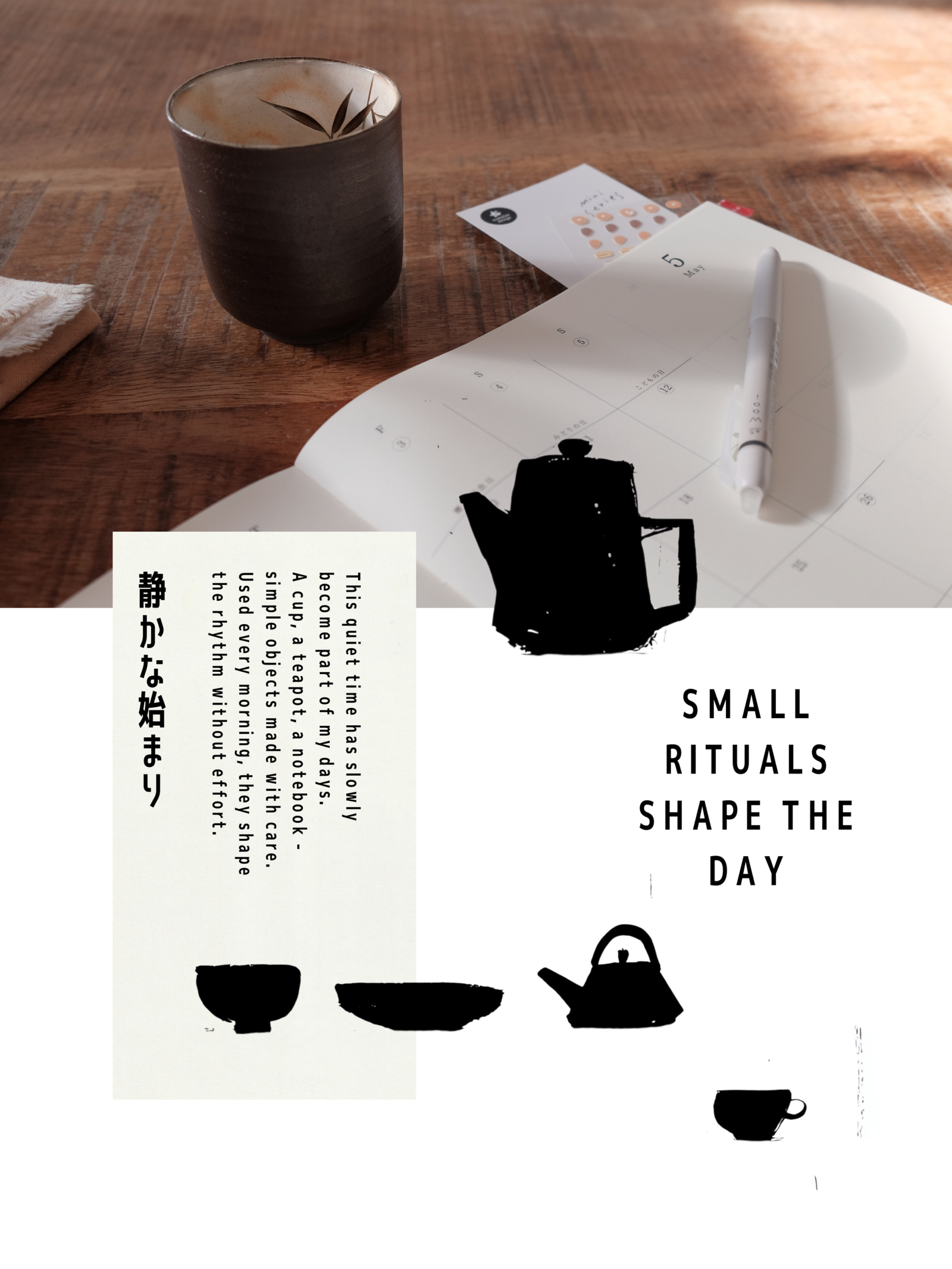
My mornings begin in a quiet way. Before the day takes its shape, I prepare sencha and sit down with my notebook. This small stretch of time has become essential to me. Without it, the day feels slightly unsettled, as if something important has been skipped.
It is not a grand ritual. It is simply the moment when I slow down enough to notice what is in my hands – fresh sencha, warm steam rising from the cup, and the texture of the paper in my notebook as the morning begins. It is a quiet moment before everything else starts, a way of settling into the day at a natural pace.
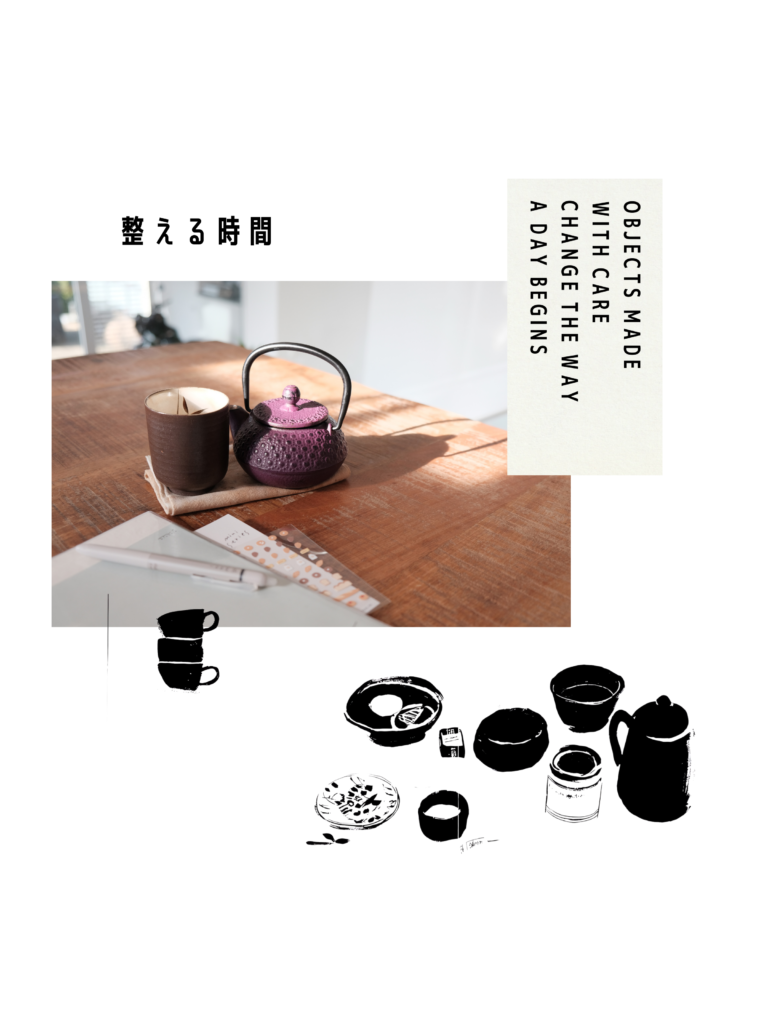
The feel of my iron teapot in my hands belongs to this moment. I keep the tea in a small container with a lid that slides down smoothly, and every morning I notice how carefully it is made. These objects are ordinary, yet they carry intention. When something is shaped with care, that care becomes visible in daily use.
Opening the notebook is part of the same rhythm. A few lines written in the morning help me see the day more clearly. If I miss this time because the day becomes too busy, I feel the absence of it. It is not easy to recreate the same calm later.
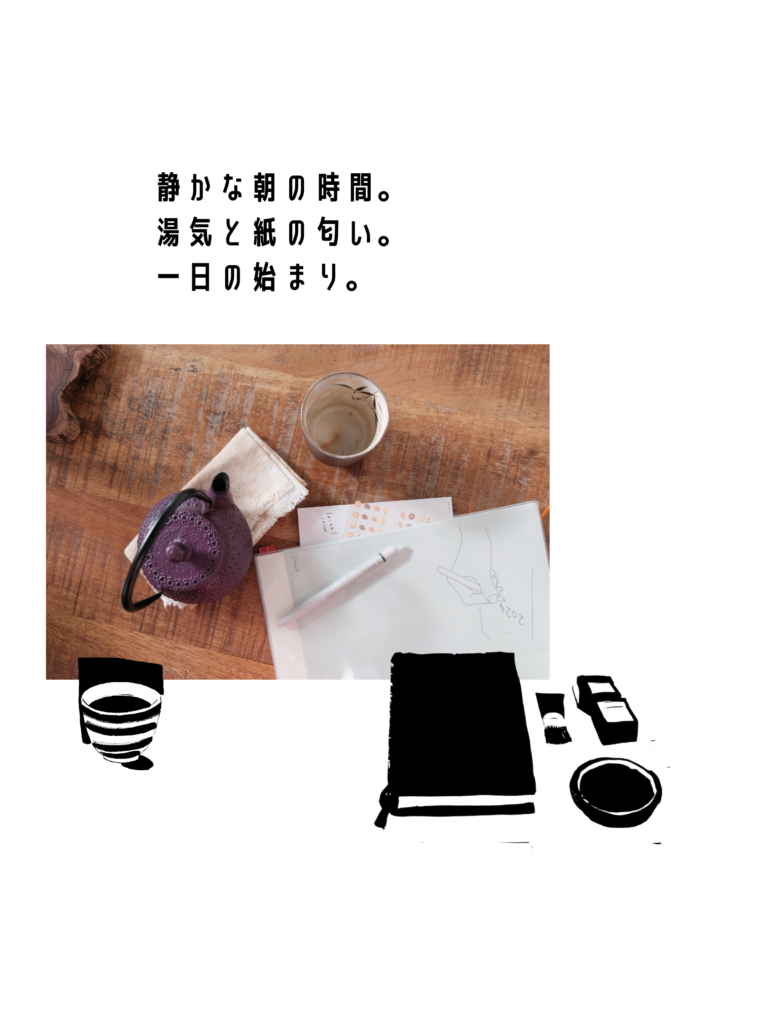
Japanese culture understands this quiet sense of purpose. Everyday actions are treated with attention, and even simple objects are made to be used with awareness. Preparing sencha and writing a few thoughts becomes more than a habit. It becomes a way of beginning the day with clarity and steadiness.
This is where my interest in Japanese objects began – not as a collection, but as companions in everyday life. The things we use each day shape our routines in ways we often overlook. When they are made with intention, they support us quietly.
This journal grows out of that experience – a place to share objects that have become part of my daily rhythm, and the makers and traditions behind them.
Small things, used daily, can carry more meaning than we expect.