
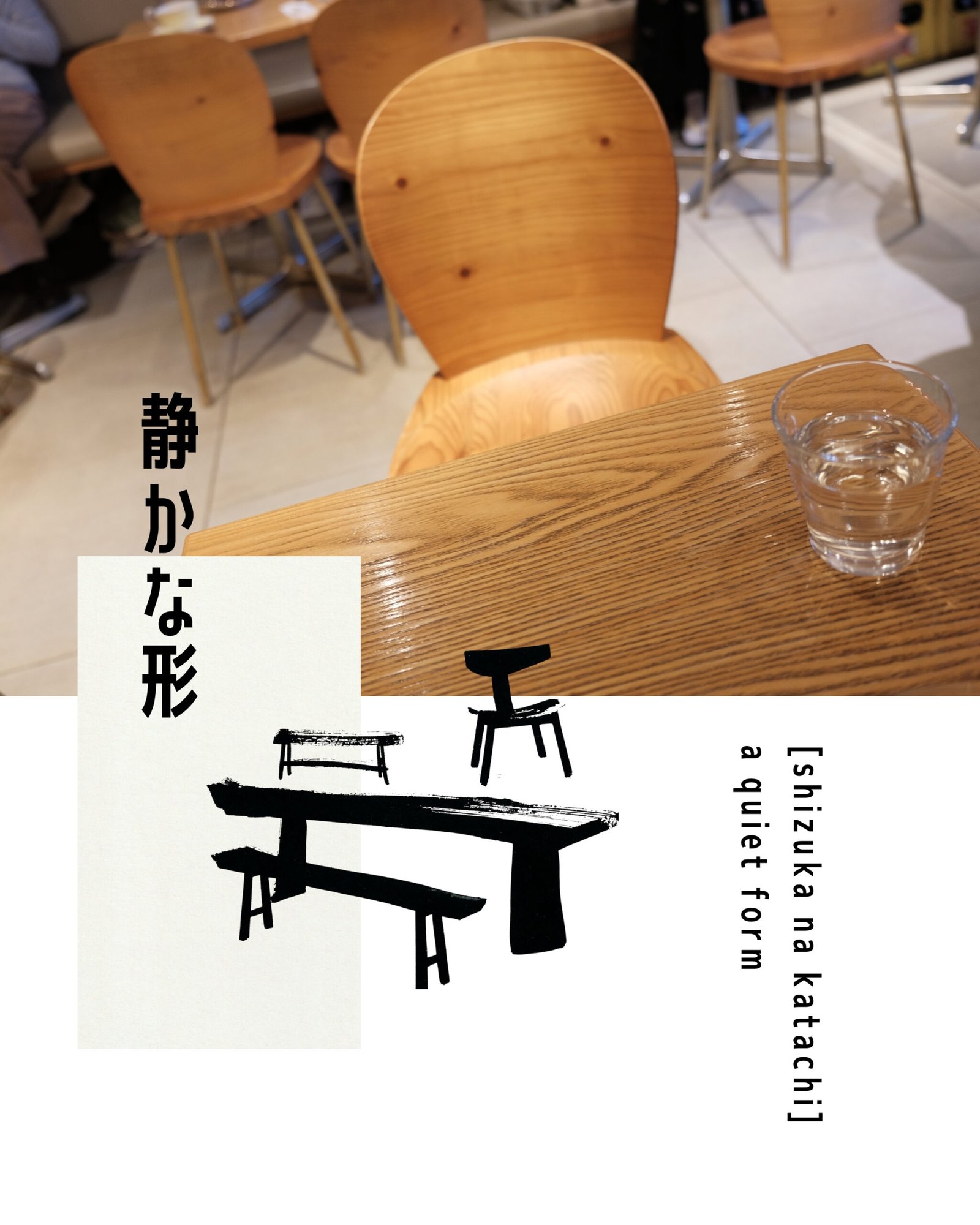
Some of the most memorable interiors in Japan are shaped less by decoration and more by a particular understanding of space. Whether in a café, a hotel, or a private home, there is often a sense of balance created through proportion, restraint, and careful attention to how people move through a room. Objects are rarely asked to become the centre of attention. Instead, they contribute to a larger atmosphere.
This sensitivity can be traced back to traditional Japanese interiors, where openness and flexibility often mattered as much as the objects themselves. Rather than filling a space, furniture became part of a broader relationship between people, materials, light, and daily life. Many contemporary designers continue to work within this tradition, not by repeating historical forms, but by carrying forward the same values.
One studio that expresses this particularly well is Kiyoshi Ashizawa Design. Guided by the philosophy of “Honest Design,” the Tokyo-based practice approaches architecture, interiors, and furniture as part of a single conversation. Their work is rooted in craftsmanship, careful observation of materials, and an understanding that objects should support everyday life rather than compete for attention.
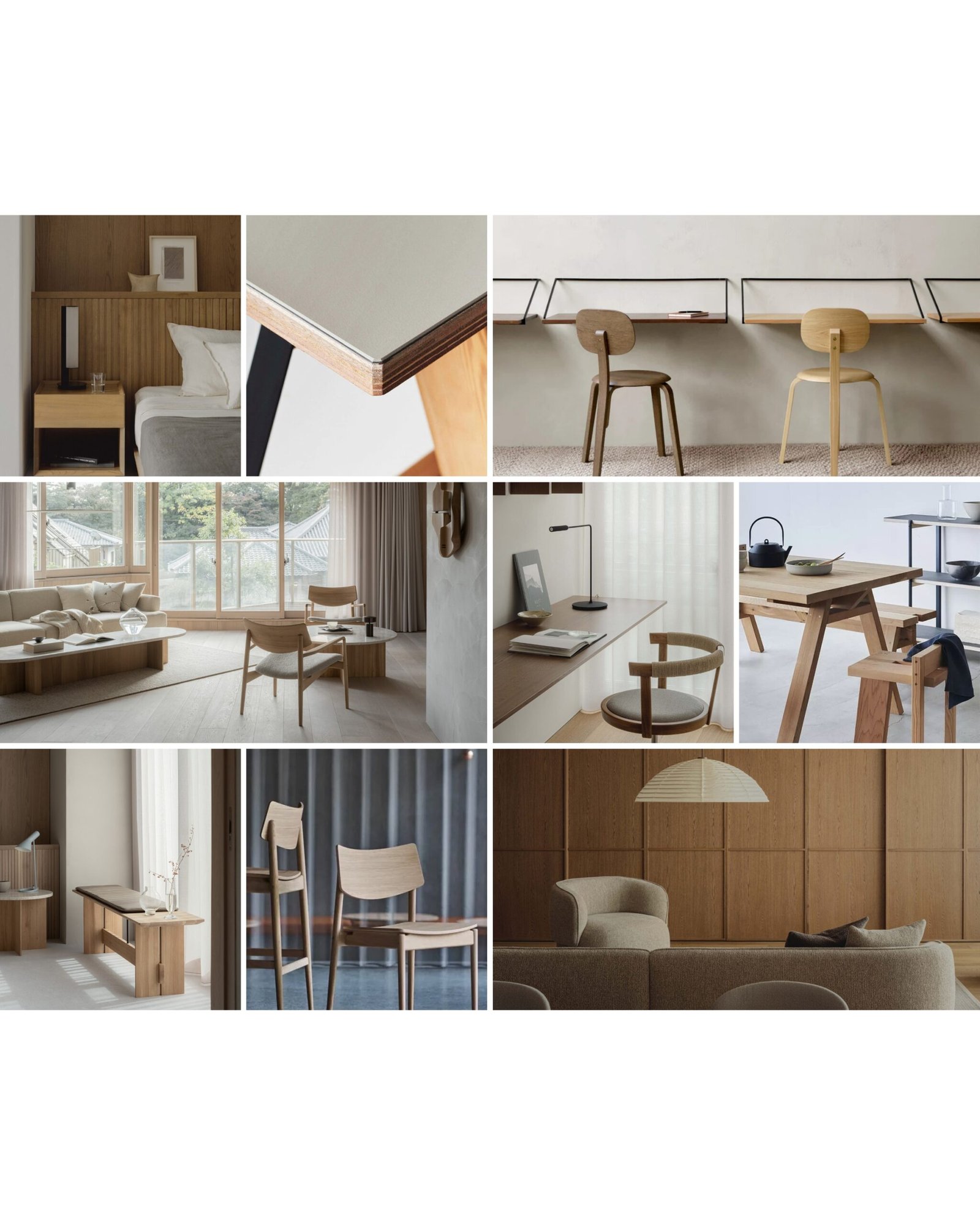
This approach can be seen in the furniture itself. Ashizawa’s designs often appear simple at first glance, yet their quiet presence comes from a deep understanding of structure, proportion, and material. Wood, steel, and natural finishes are allowed to express their own character. Nothing feels excessive. The goal is not to create statement pieces but objects that become more comfortable and familiar through years of use. That sense of longevity is perhaps what makes the work feel so distinctly Japanese.
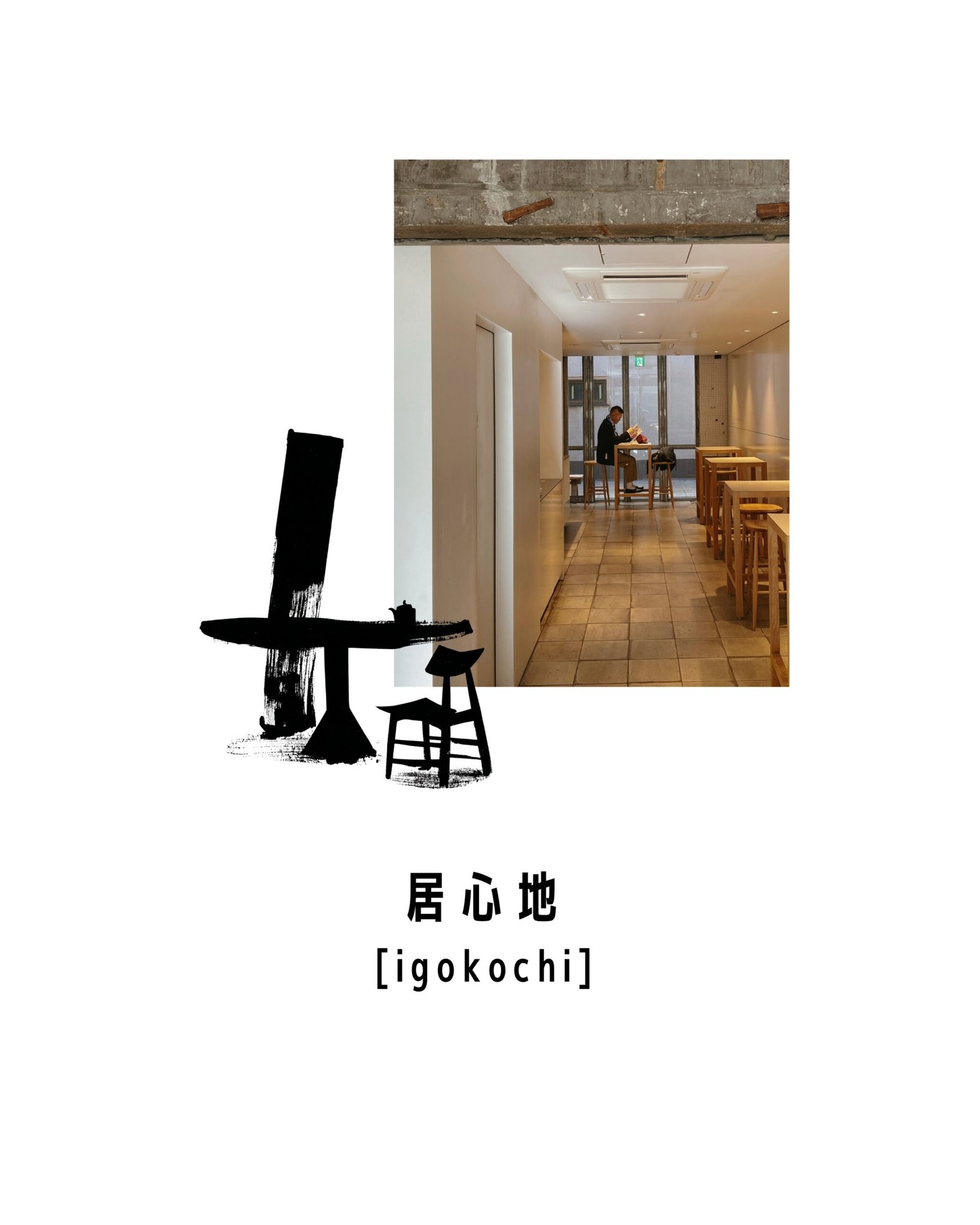
Many people may already recognise this atmosphere through Blue Bottle Coffee Japan, where several interiors designed by the studio demonstrate how furniture, lighting, and architecture can work together to create spaces that feel calm without becoming minimal for its own sake. The experience comes not from any single object but from the relationship between all of them.
Perhaps this is what makes Japanese furniture so compelling. At its best, it is not simply about form or function. It reflects a broader philosophy of living, one that values care, usefulness, and the quiet confidence of things designed to remain part of everyday life for many years.
Mentioned in this story: