
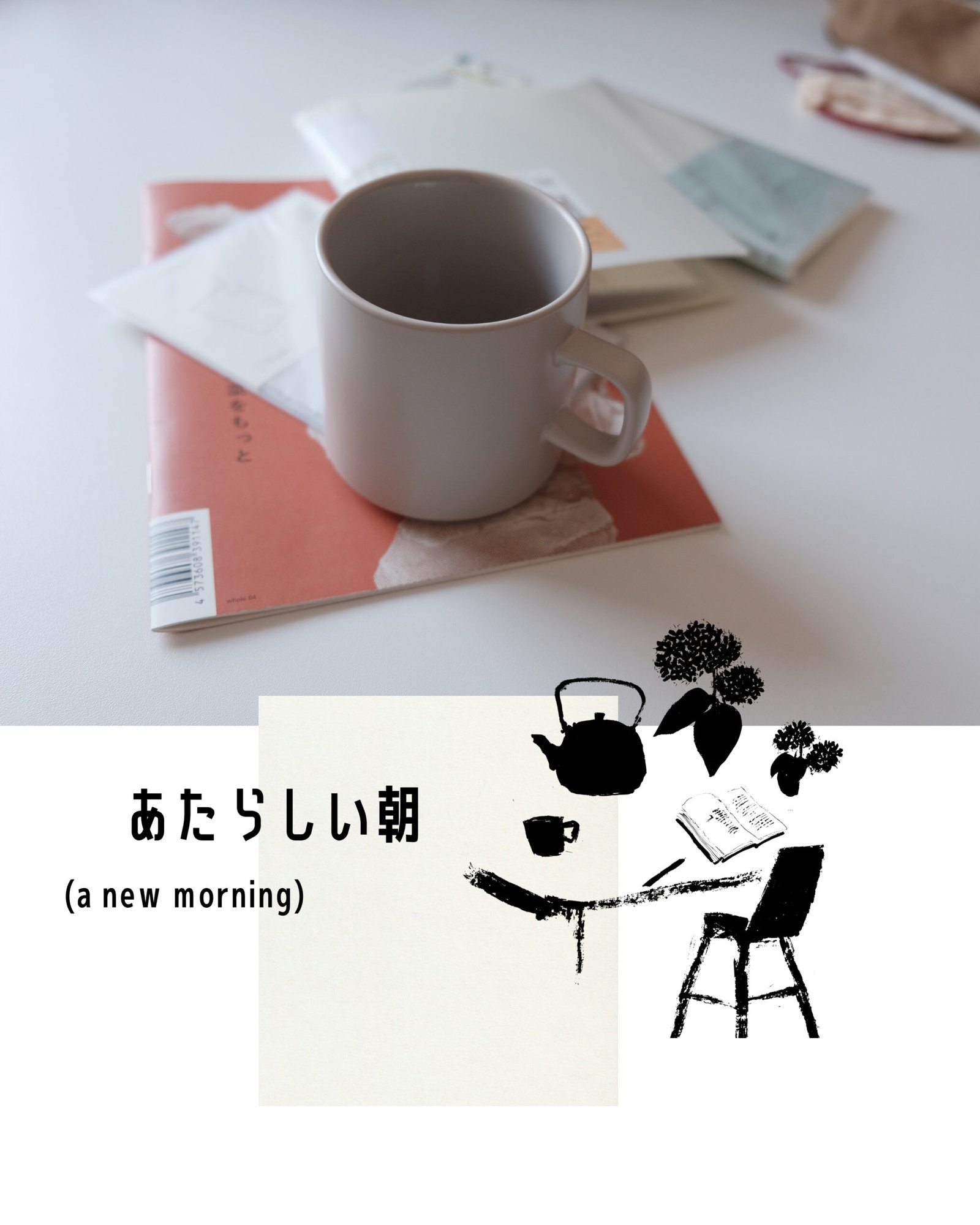
There is a particular pleasure in the moment before something begins. A blank page, an empty notebook, a new project still taking shape. Nothing has been decided yet, and that openness carries a quiet sense of possibility. Unlike most objects, a notebook is valued not for what it already is, but for what it might eventually become.
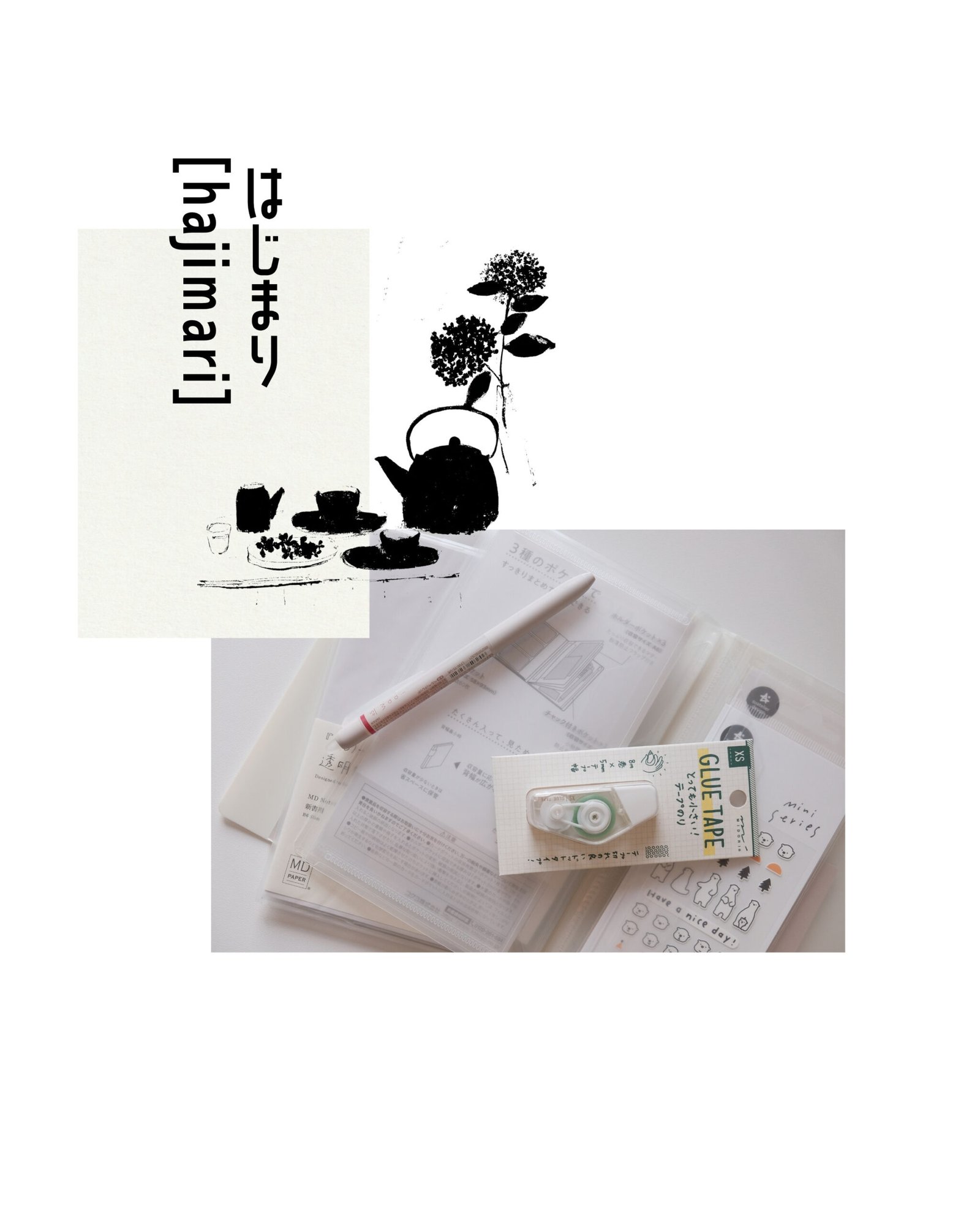
There is a quiet satisfaction in preparing a notebook before it begins its life. A cover is chosen, a few inserts are added, cards and notes find their place in the pockets, and a favorite pen waits nearby. The process feels less like organizing stationery and more like creating a space for future thoughts. Often, it starts at the table with tea and a slow morning ahead.
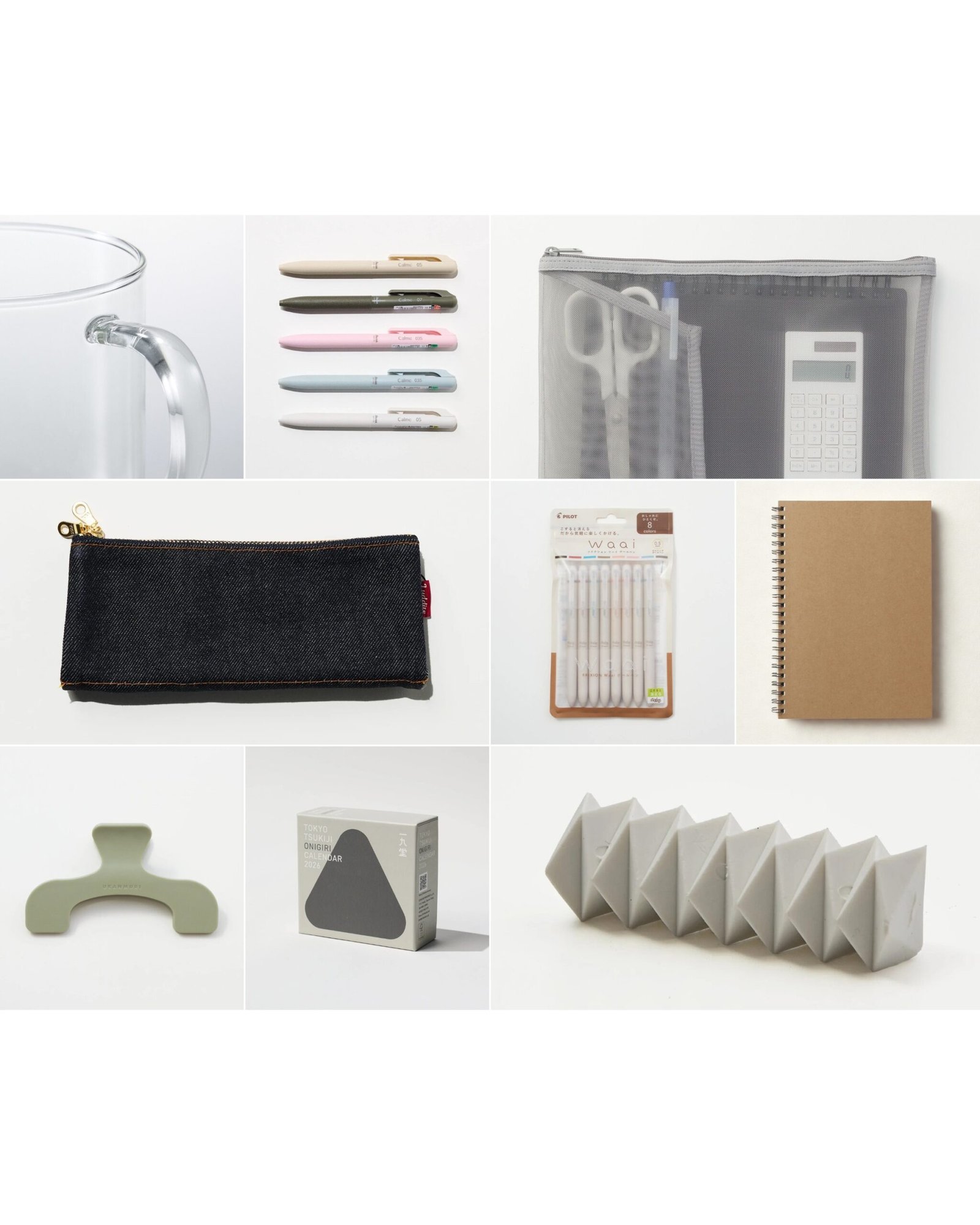
Many of the tools I use come from places familiar to anyone living in Japan. Hands, Loft, and Muji each approach daily life differently, yet all three offer more than stationery alone. Notebooks sit alongside teacups, trays, storage boxes, kitchen tools, and small household objects. A visit may begin with the search for a notebook and end with something entirely different. Sometimes it is not the item itself that stands out, but the feeling that it fits exactly what is needed at that moment.
That attention to use is what makes Japanese stationery particularly interesting. A notebook cover creates room for collected cards and loose papers. An insert adapts to a changing project. An erasable pen allows ideas to move freely across the page without hesitation. These are small details, yet together they remove friction and make it easier to begin.
Perhaps that is why opening a new notebook never feels entirely ordinary. The appeal is not the object itself, but the possibility it represents. For a brief moment, every page remains unwritten, every idea still taking shape. The notebook will eventually fill with plans, lists, sketches, and notes, but the pleasure comes from that small pause beforehand – a cup of tea, a blank page, and the quiet anticipation of what comes next.
Mentioned in this story:
MUJI Germany — European delivery
UK readers: £15 off your first MUJI UK order over £70 with code L6C513835Z, valid until 31 October, 2026. Sale items excluded.
Germany and selected European destinations: 15% off your first MUJI Germany order over €60 with code QSNWBCO346FC, valid until 31 October 2026. Sale items excluded. Delivery availability varies by country, so please check the MUJI Germany website for your location. The site offers a language selection.
Explore more practical pieces in my MUJI Stationery Picks on Pinterest.