
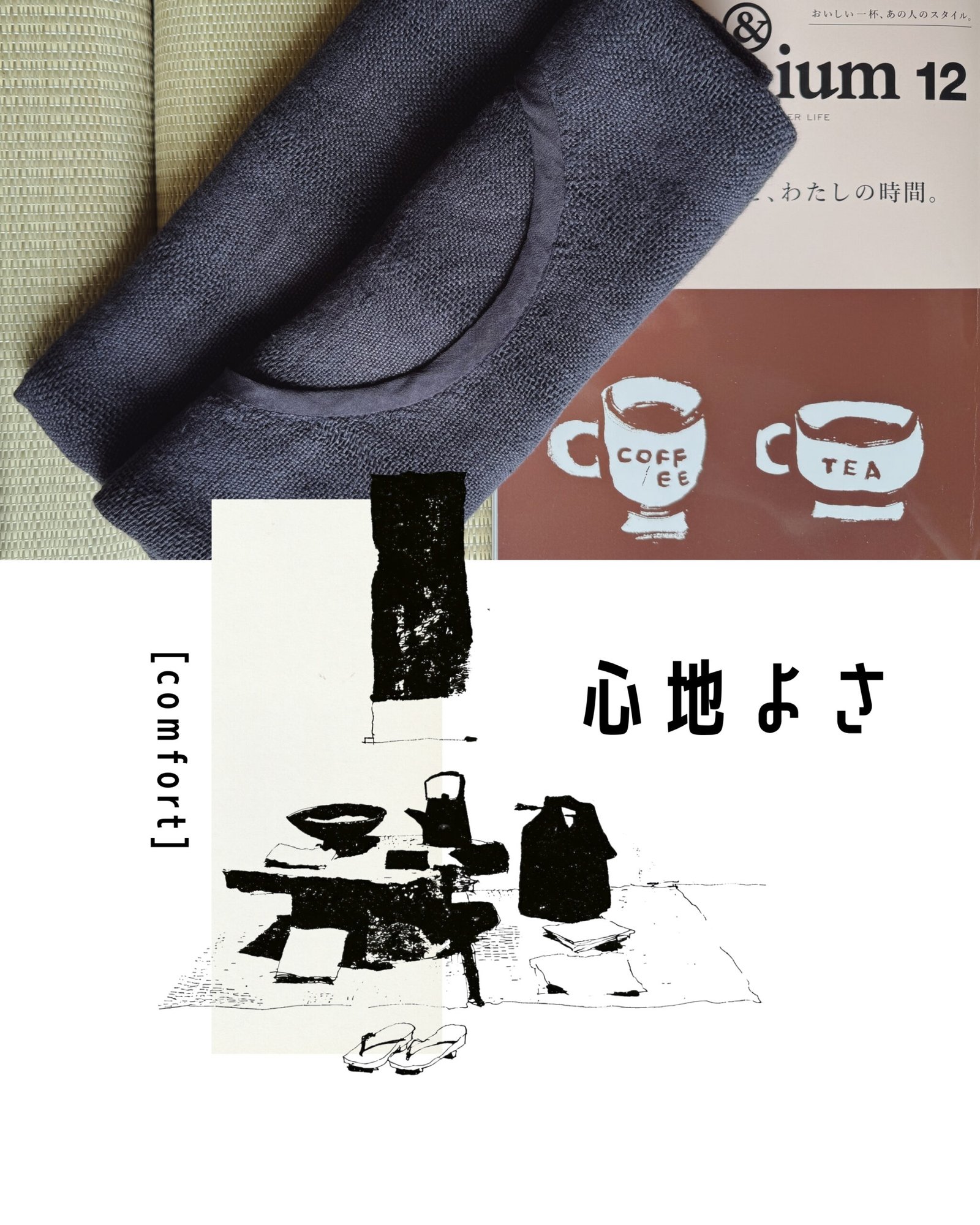
Summer has always shaped the way people dress. Long before fashion seasons and collections, clothing simply responded to heat, movement, and everyday life. In Japan, many of these practical decisions gradually became traditions, and some of those traditions continue to inspire designers today.
What makes contemporary Japanese fashion particularly interesting is not the desire to recreate the past, but to quietly improve it.
The modern footwear created by Goyemon is a beautiful example. Inspired by traditional geta, the designers reinterpret their distinctive silhouette with contemporary materials and the comfort of a sneaker sole. The familiar wooden form becomes lighter, softer underfoot, and easier to wear throughout the day, while still preserving the unmistakable proportions that make geta instantly recognizable. Rather than treating tradition as something to preserve behind glass, it becomes part of everyday life again.
The same philosophy appears in the clothing selected by JS Luxe. Their collections favour linen, cotton, generous silhouettes, and garments that move naturally with the body. They are not designed around short-lived trends but around the quiet rhythm of daily living. Loose dresses, relaxed shirts, and simple layers feel particularly at home during the warmer months, when comfort becomes an essential part of good design.
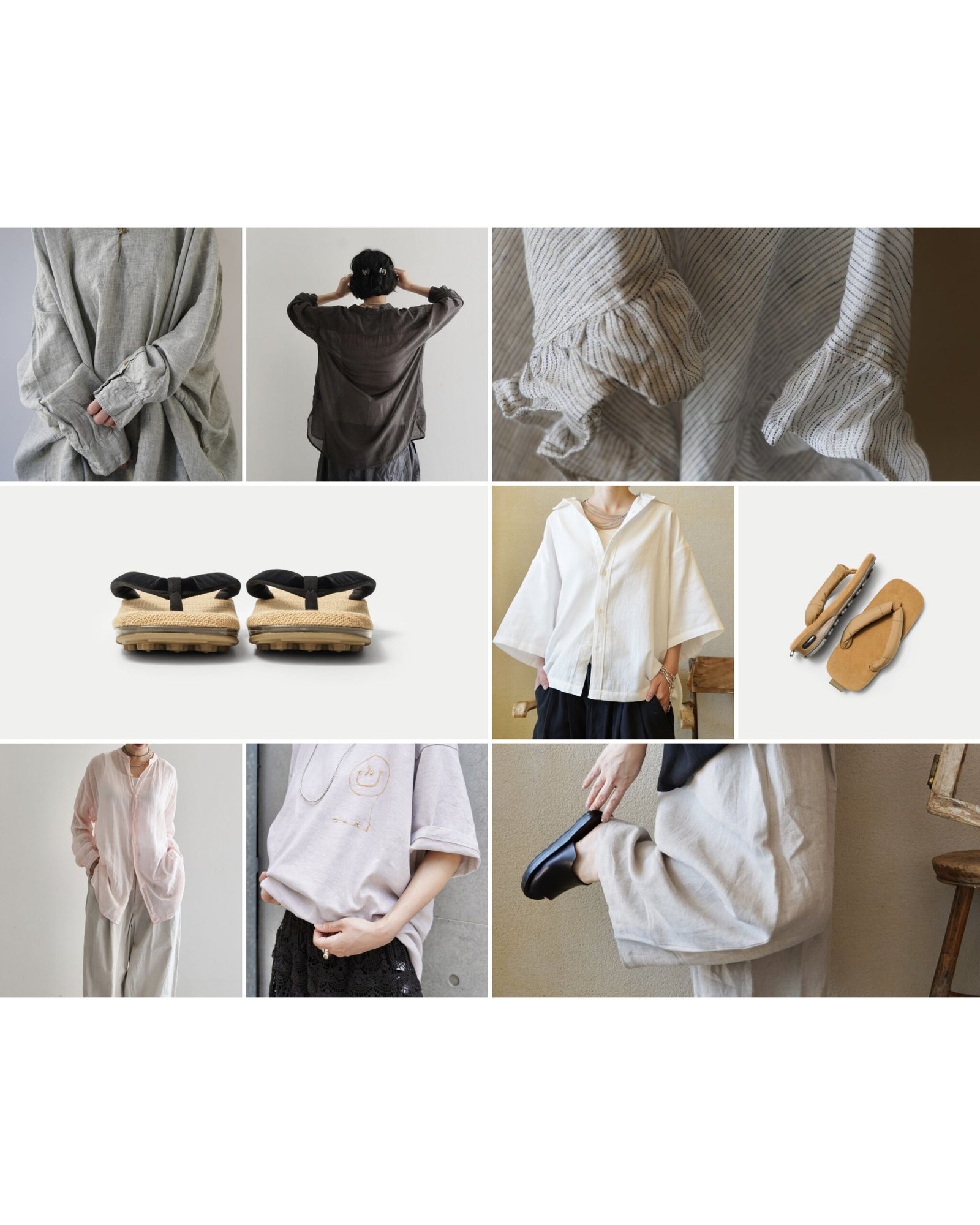
Seen together, these two approaches reveal something larger than fashion itself. They show how craftsmanship evolves without abandoning its origins. A traditional summer sandal and a linen dress may belong to different generations of design, yet they share the same values: natural materials, thoughtful proportions, and an appreciation for clothing that becomes more enjoyable through regular use.
There is also an unexpected visual harmony between them. The elevated silhouette of the reimagined geta recalls the quiet elegance of historical footwear, while the soft drape of linen echoes the relaxed ease once found in everyday cotton yukata. The connection is subtle rather than literal. It is not about dressing traditionally, but about carrying forward an understanding of how clothing should feel during summer.
Perhaps this is why these pieces appear so timeless. They do not chase novelty, nor do they imitate history. They simply continue a conversation that has been taking place for generations, where design grows from use, where comfort becomes beautiful, and where each season gently reminds us that the most enduring objects are often those created with ordinary life in mind.
In the end, summer style is not defined by what is fashionable for a single season. It is shaped by the objects we choose to return to year after year—pieces that become lighter with wear, more familiar with time, and quietly prove that thoughtful craftsmanship never really goes out of season.
Mentioned in this story: