
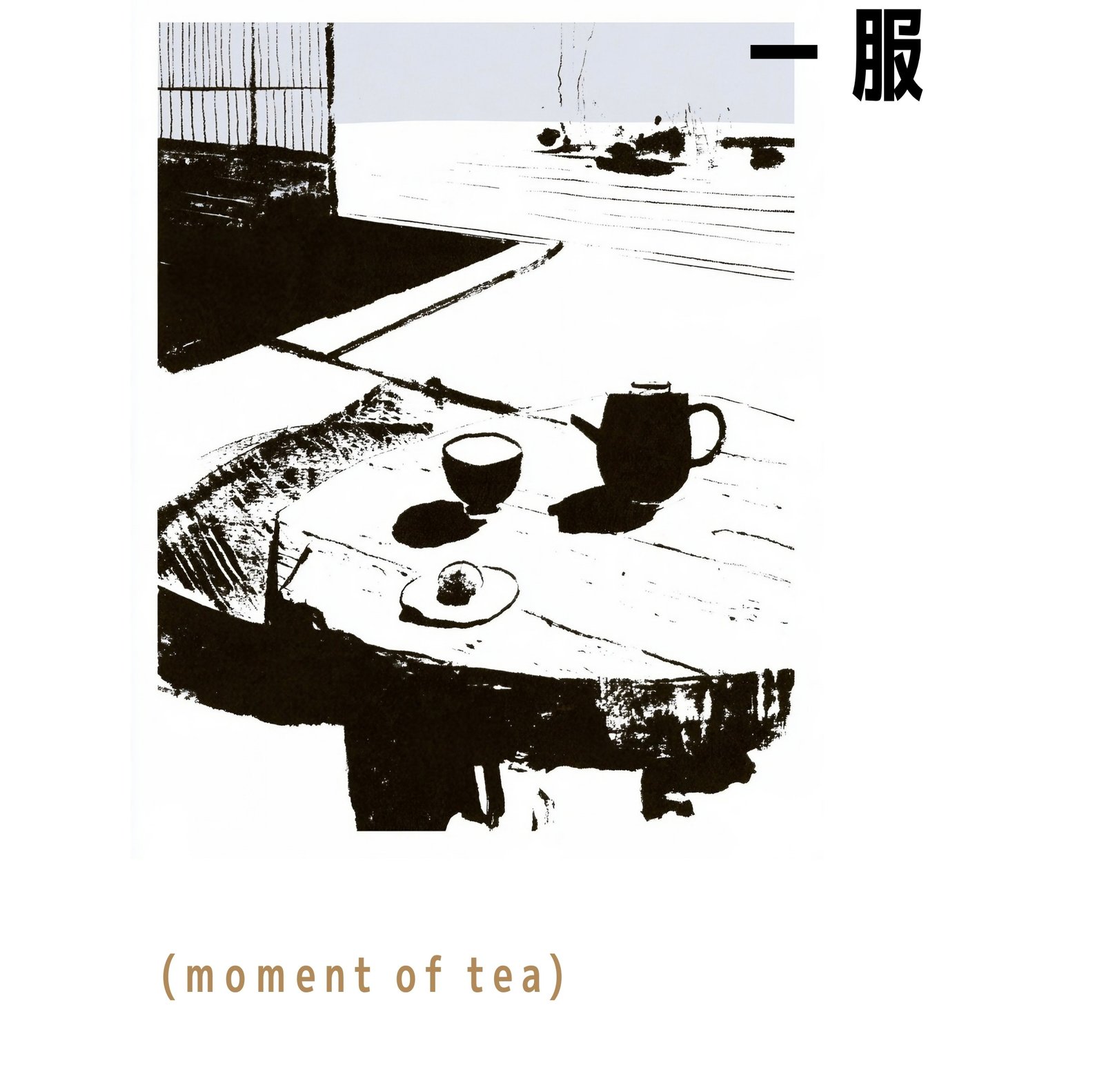
As autumn settles in, more people start making warm drinks part of their day. Japanese tea is already my everyday drink, in every season. An old saying Asa-cha wa Shichiri Kaette mo Nome [朝茶は七里帰っても飲め], “even if you have to go back seven ri for it, drink your morning tea,” comes from Japanese folklore. One ri is an old unit of distance, about four kilometres, so seven ri makes for a deliberately dramatic return journey. The saying expresses the belief that morning tea brings good fortune, helps ward off misfortune and sets you on your way safely. It is a reminder of how much meaning a familiar cup can hold.
At the center of this story is the value of small things made with care. As the season turns and people reach for warm tea more often, we can look closely at the details that reward attention: a caddy lid that slides down with an exact fit, a cup shaped by hand, a small spoon that is difficult to find elsewhere. Each one carries a maker’s decisions. Each can become something we choose carefully, use for years, or bring home as a gift.
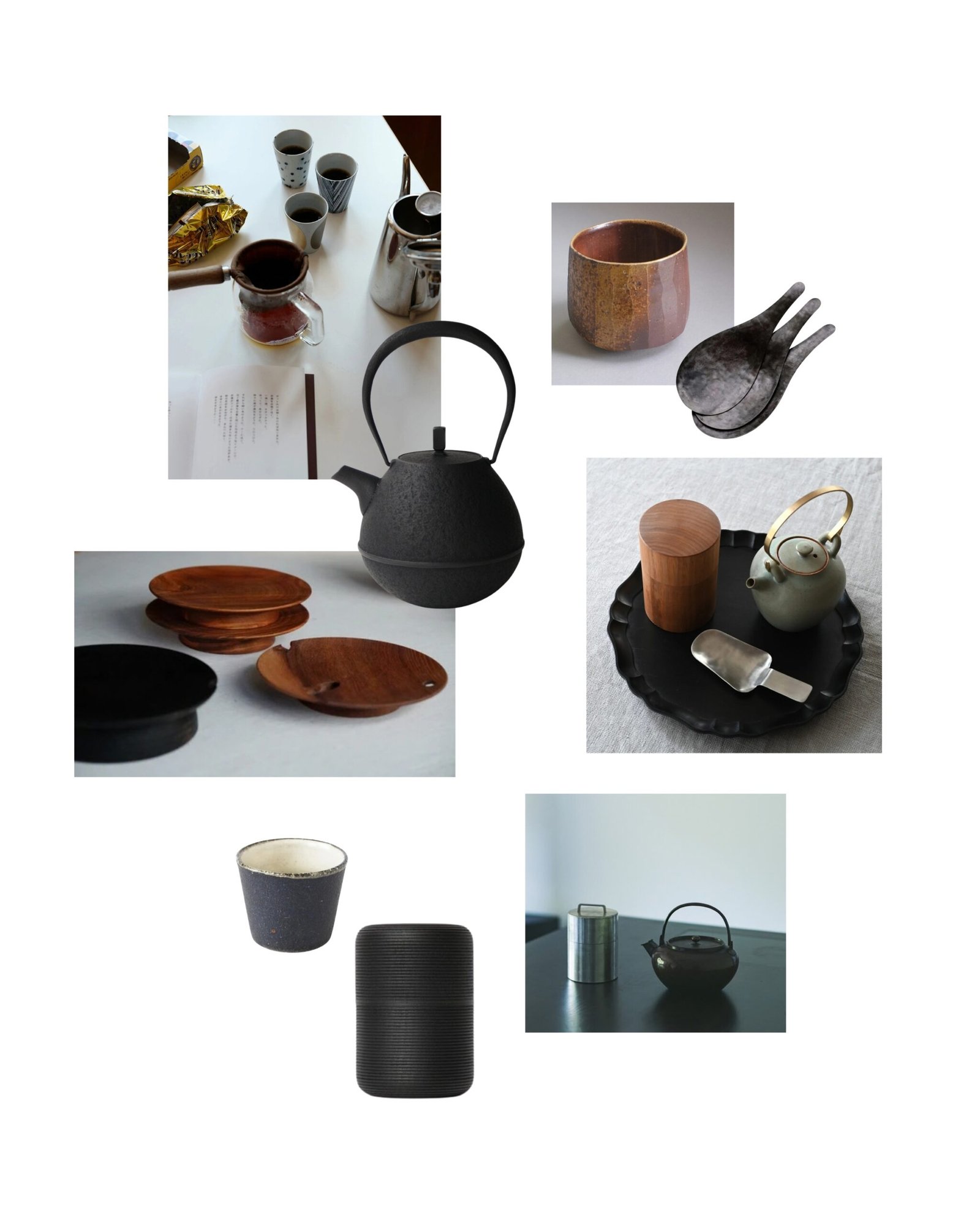
These pieces can have very different faces and purposes. Some draw on long traditions; others feel more contemporary. What matters is the attention in the making, and the pleasure of finding a vessel or utensil that feels right to live with. A handmade cup is shaped not only to hold tea, but by the choices of the person who made it: the curve of its rim, the surface of its glaze, the way it rests in the hand.
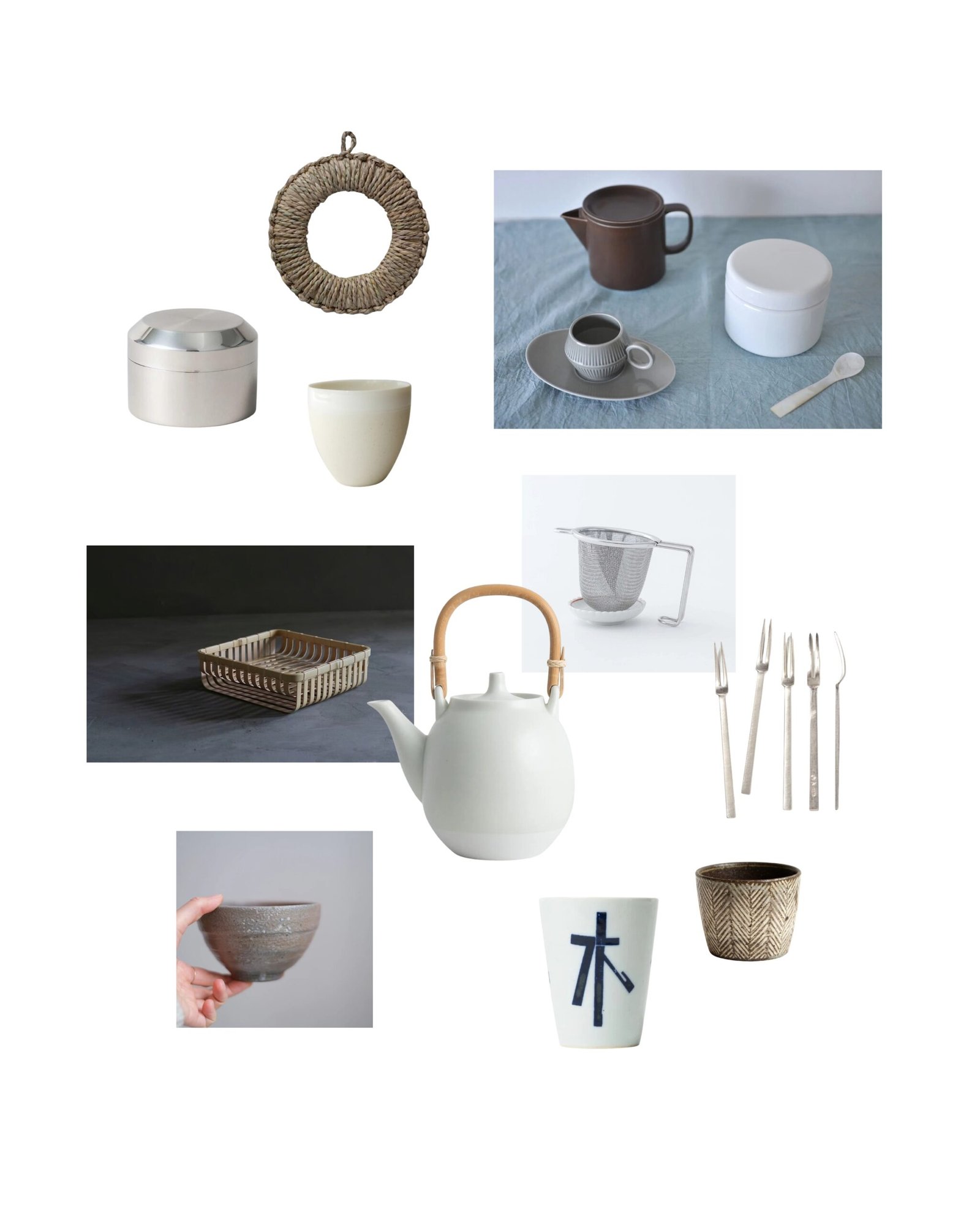
The little spoons invite that same attention. A spoon for tea leaves or a sweet may be modest in size, but its shape and material can make it distinct. They are hard to find where I live, which makes discovering different ones in Japan especially appealing. A collection can grow slowly, one piece from a visit or one maker at a time.
Wood belongs naturally beside ceramics and glass. The grain is visible, the material is light and warm to touch, and a small wooden spoon or plate can bring its own character to a tea setting. These are the details that make mindful choosing feel personal, rather than like buying a set all at once.
The basket after tea
I have often seen this way of caring for tea vessels in Japanese homes. First, a towel is laid in the bottom of a woven basket. After tea, the washed vessels are placed on it to drain. Once they are dry, the towel can be removed to dry separately. The clean set can stay together in the basket for the next tea moment, or be moved to a small shelf.
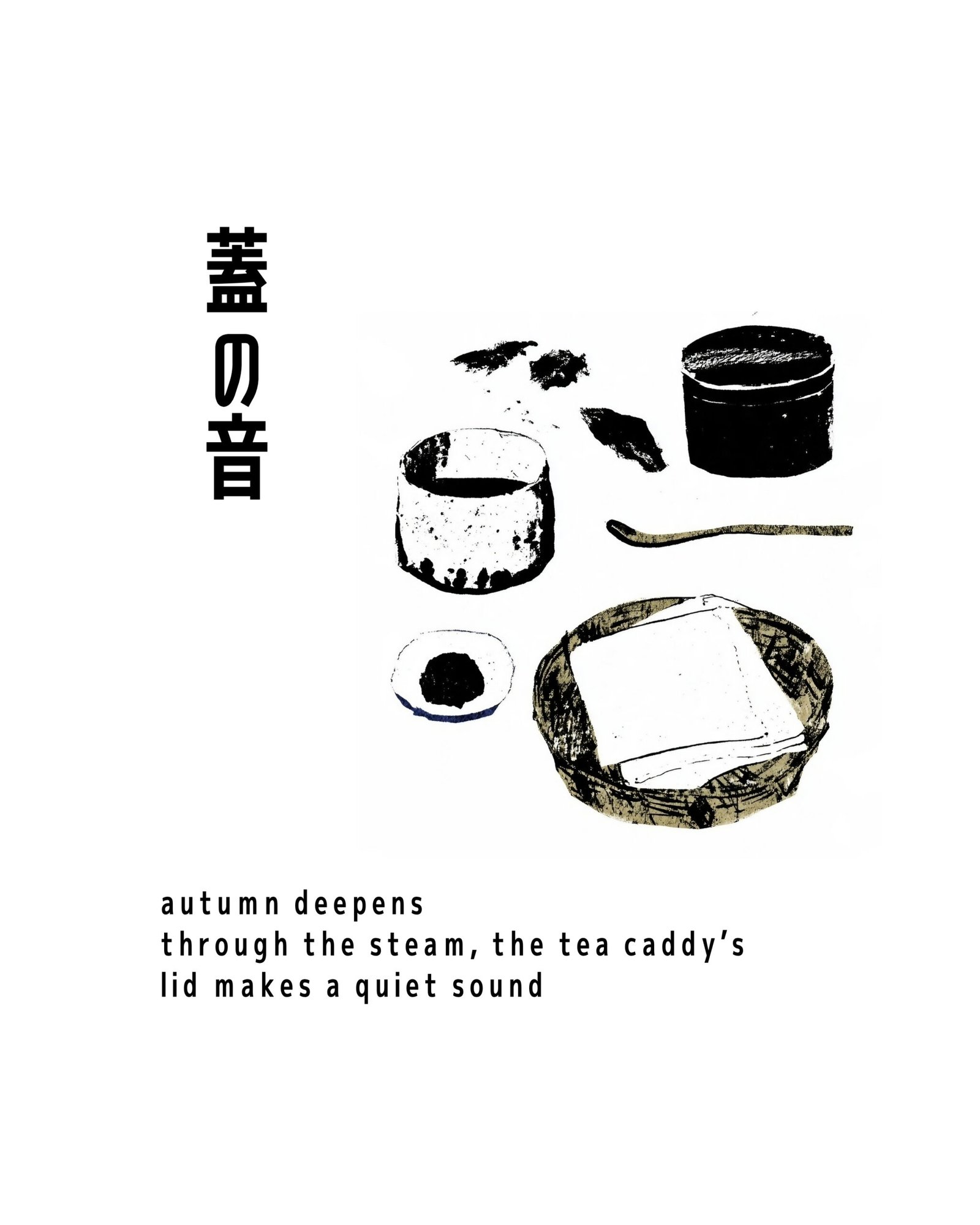
I like how one basket can be part of the whole life of a tea set: ready to hold the vessels again, or to carry them to a place of their own. It is a thoughtful way to look after pieces chosen over time.
A simple collection, at home
MUJI’s no-label idea gives these everyday pieces a different kind of coherence. Their collections are designed to sit comfortably together, with a quiet balance that leaves room for other things in the home. The glassware, woven basket, wooden spoon and bamboo shelf share that simplicity, even though they are made from different materials.
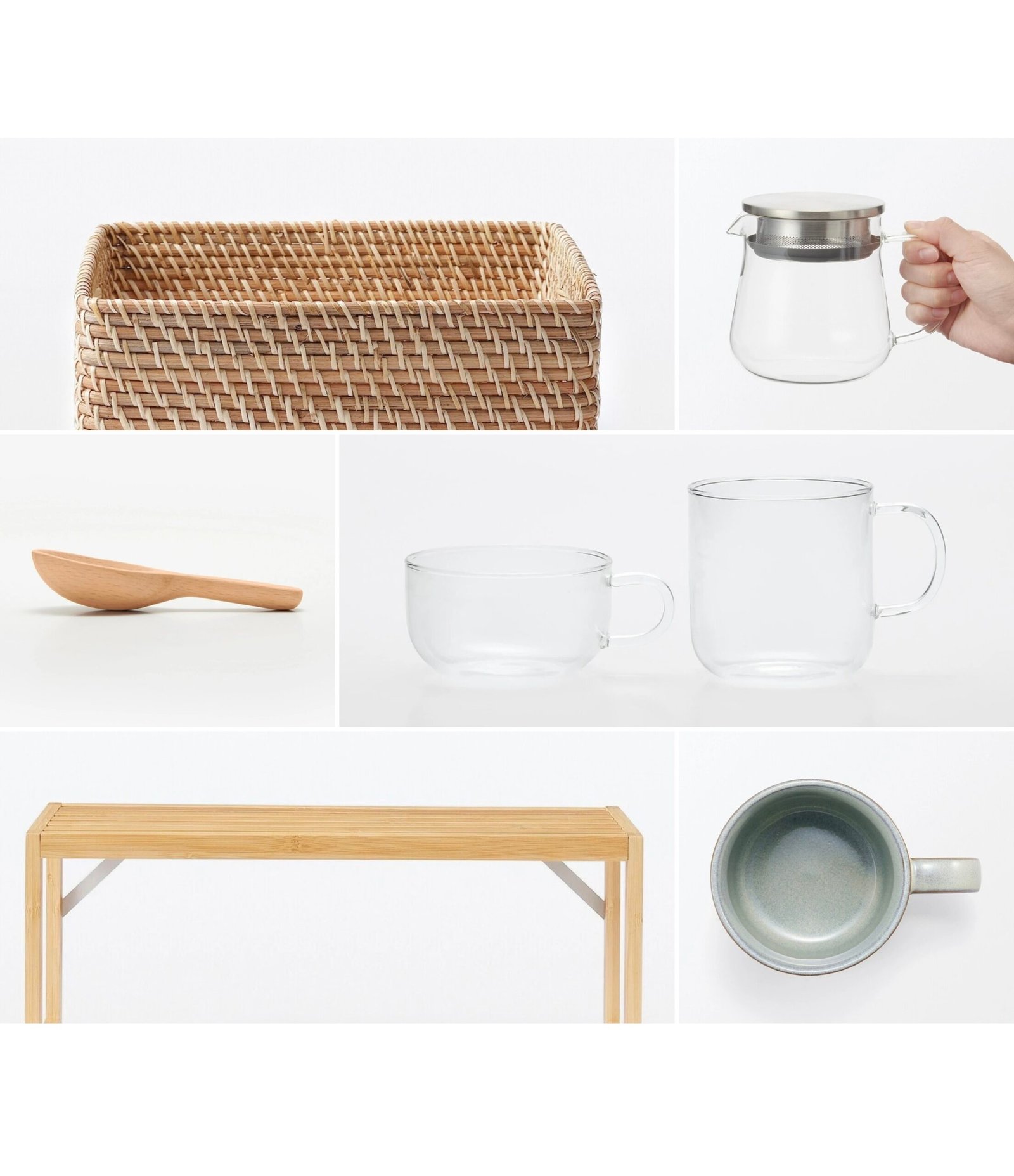
That feels useful to me in my own kitchen. I have recently moved and am still deciding where my tea things belong. A small shelf on the counter could give them a place to stay, while the basket keeps the washed vessels together. These pieces may be simple, but choosing them with care can help make a home feel considered.
Explore these tea vessels:
A place to experience tea and vessels
YUGEN in Kyoto offers a chance to encounter tea and handmade work in the same visit. You can have Japanese tea with seasonal sweets, then look at tea tools and pieces by different makers. I like that the vessels are part of a place where tea is served, rather than appearing only as objects to buy.
What to Buy in Japan
A tea caddy is one object worth looking for in Japan. Kaikado is one maker I can recommend from experience. I own two of their brass caddies. When I set the lid back on, it slides down and settles into place with remarkable precision. I love that small movement, and the caddies have been wonderful to use.
Kaikado is one example among the makers of Japanese tea caddies. It is the one I know at home. A caddy can be an especially meaningful thing to bring back: a small piece of Japanese craftsmanship that becomes part of the tea ritual for years. Even when a maker offers overseas shipping, it can still be worth looking in Japan and comparing the cost of buying it there with delivery and import charges.
Japanese Magazines to Read
For a wider look at the vessels and makers that inspire this article, I recommend &Premium’s Utsuwa issue. It brings together stories of people using the vessels they love, everyday tables by cooks, and suggestions for pairing vessels with sweets. It also introduces Japanese makers, galleries and shops, alongside articles about materials, techniques and the care of different kinds of wares. The issue moves from how vessels live in someone’s home to where readers can discover work for themselves.
Read the &Premium Mook &Utsuwa issue.
Mentioned in this story:
MUJI Germany – European Delivery
UK readers: £15 off your first MUJI UK order over £70 with code L6C513835Z, valid until January 1, 2027.
Germany and selected European destinations: 15% off your first MUJI Germany order over €60 with code QSNWBCO346FC, valid until January 1, 2027.
