
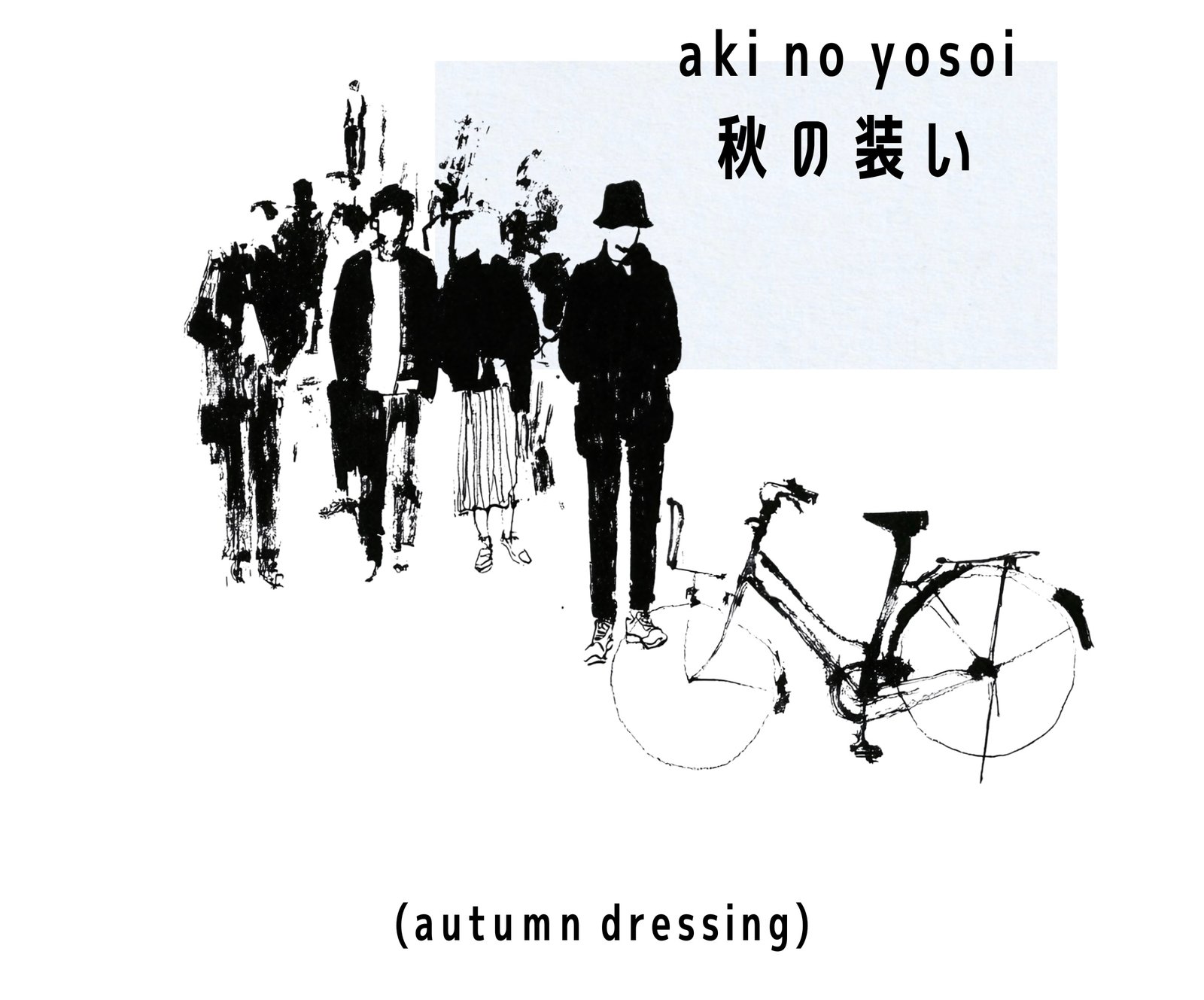
The Return
After a humid summer, clothes can become almost beside the point. The aim is simply to get through the heat without feeling heavy, damp, or overheated. By the time October arrives, I am genuinely happy to reach for the clothes I had missed: a shirt over a T-shirt, a knit with some weight to it, a layer that can be taken off and carried when the afternoon is still warm.
In Japan, this seasonal change is called Koromogae [衣替え], changing clothes for the season. It is an old practice of putting one season’s clothes away and bringing another’s back into daily life. I like the sense of return within it. Things are cared for, left aside, then welcomed back when the weather makes room for them again.
That is the thought behind these three looks. I began with simple foundations and let the upper layer change the character of each one. There is no need for autumn clothes to feel like a reinvention. They are part of the pleasure of being outside again, when getting dressed can once more be a small part of the day to enjoy.
01. The Soft Black Base
I like beginning with a soft black shirt and light black trousers because they feel comfortable enough to wear without much thought. Once that base is in place, it becomes easy to change the mood through one layer, rather than rebuilding the whole outfit.
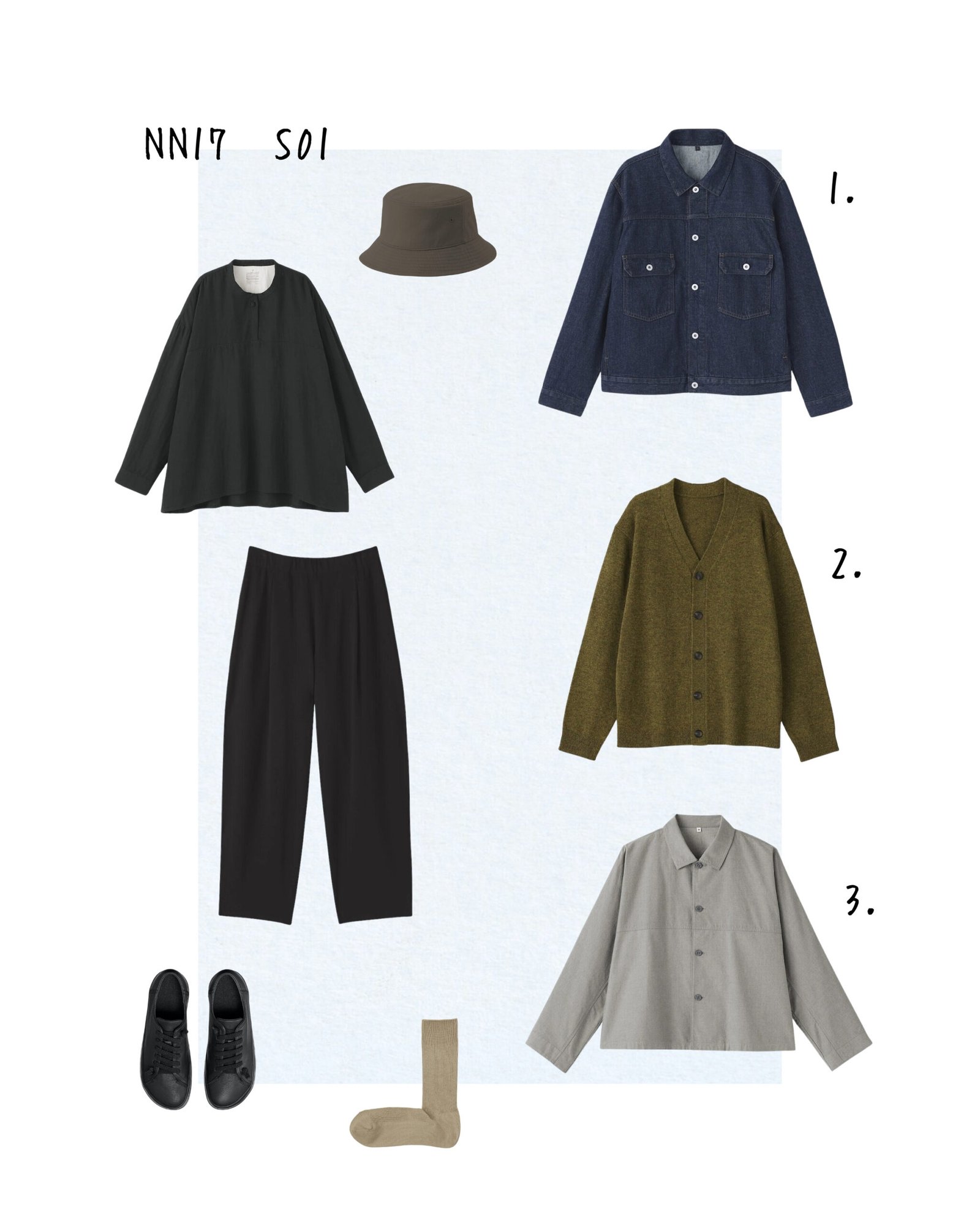
The blue Kapok-blend denim jacket makes it relaxed and familiar, especially with the bucket hat and earthy socks. The olive cardigan brings a softer kind of warmth to the same clothes. When I need something more structured, the cropped light-grey jacket works with the longer shirt beneath it, giving the outfit a clearer proportion while keeping the original comfort intact.
Explore this look:
Double gauze blouse
Ponte trousers
Leather trainers
Bucket hat
Ribbed socks
Blue denim jacket
Merino cardigan
Cropped shirt jacket
02. A Layer That Earns Its Place
This look begins with brushed denim, a soft blue shirt, and a short-sleeve sweatshirt worn over it. I like the sweatshirt here because it gives the shirt another purpose in autumn: it becomes a small warm layer rather than a top that has to stand on its own.
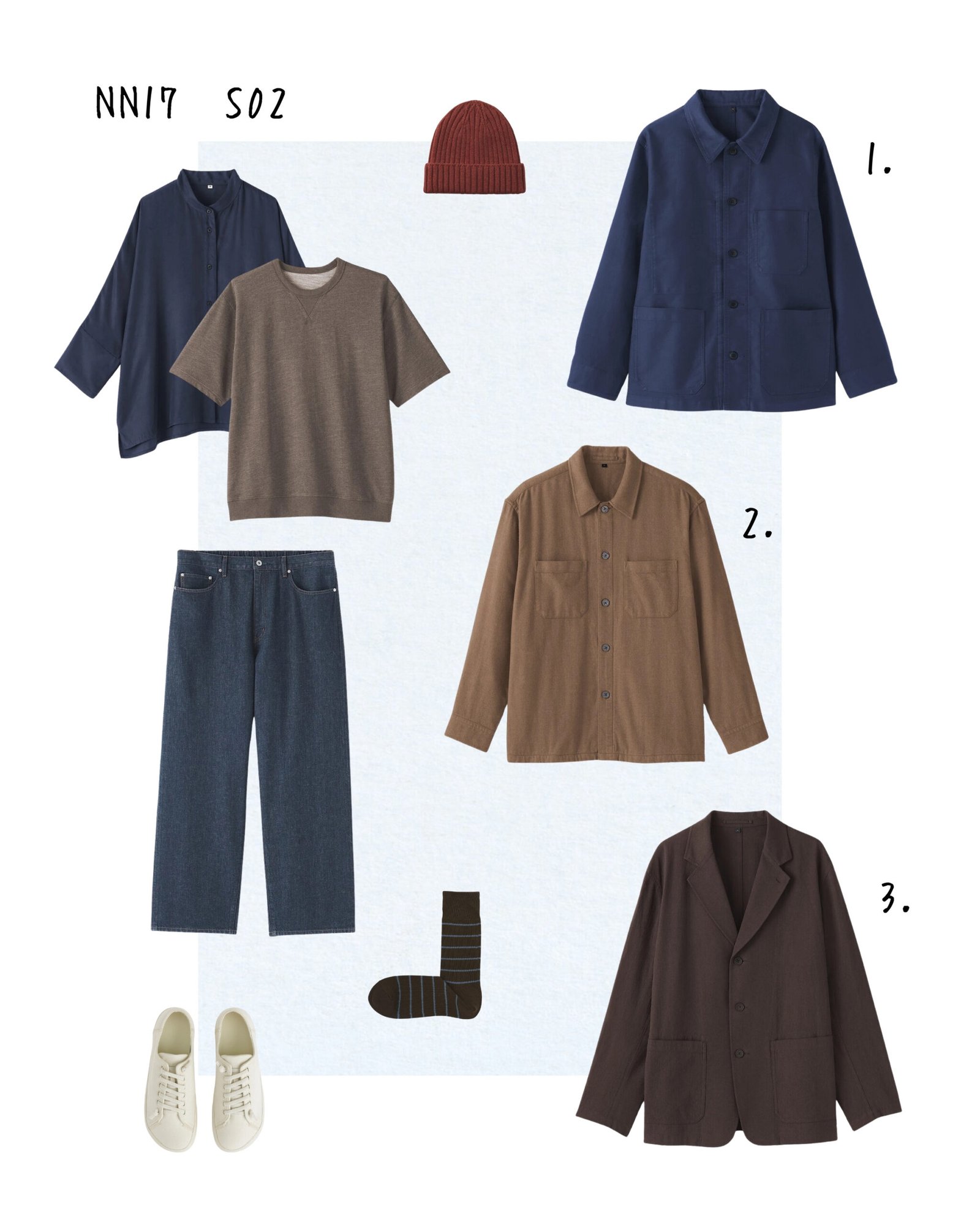
The blue work jacket continues the colour of the shirt and makes the outfit feel calm and practical. The earthy brown overshirt changes it into something warmer and more casual. For a more structured day, the dark brown jacket gives the same soft layers a sharper outline without making them feel formal.
Explore this look:
Blue stand-collar shirt
Short-sleeve sweatshirt
Wide-leg jeans
Ribbed beanie
Striped socks
Canvas trainers
Blue work jacket
Brown overshirt
Structured brown jacket
03. Texture and Colour
The skirt, grey flannel shirt, textured beret, and black trainers make a quiet base with more movement than the two trouser looks. The rust-coloured knit and green socks are small notes of colour, but they are enough to make the outfit feel more alive.
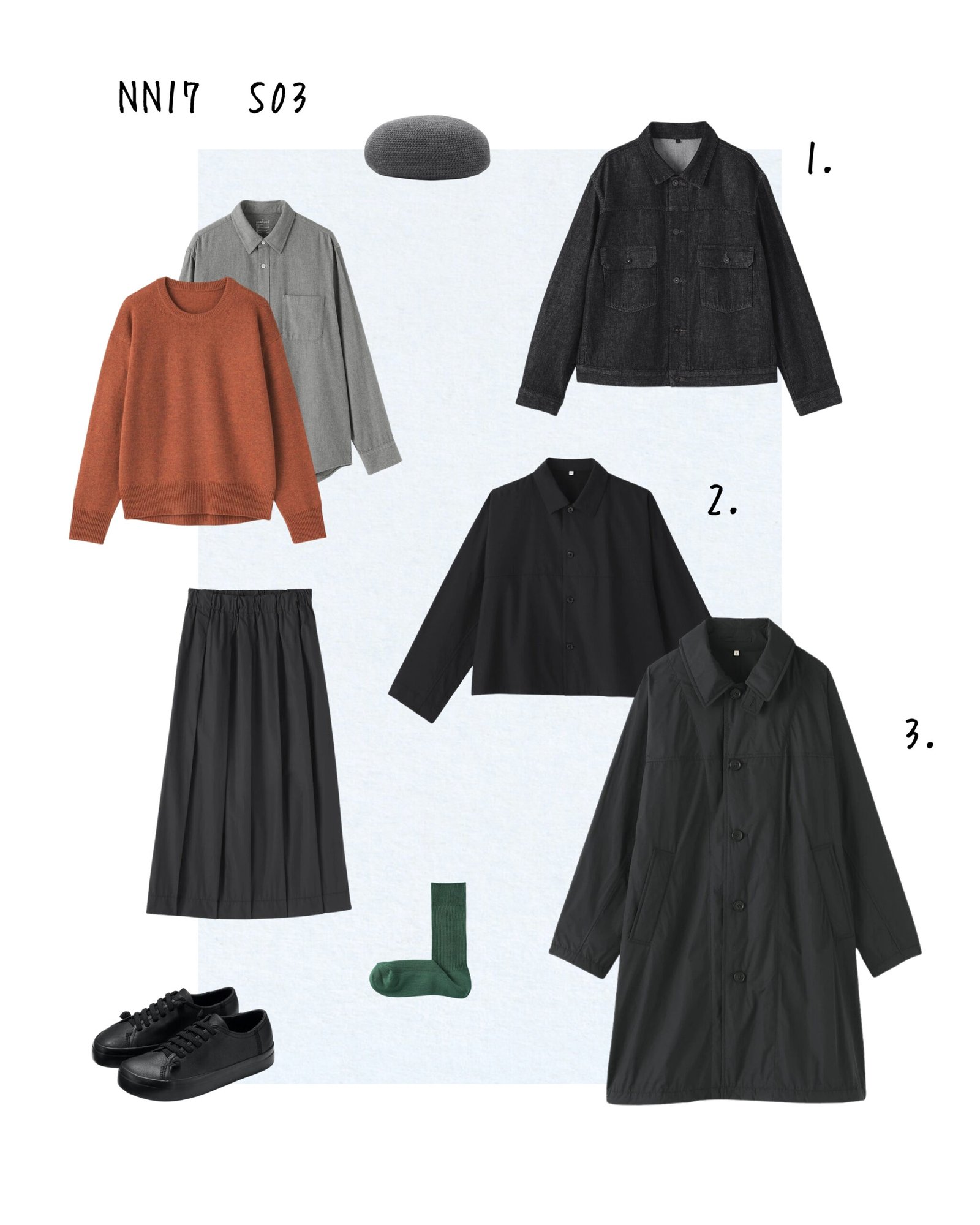
I enjoy mixing different textures and bringing colour into otherwise simple clothes. The black denim jacket keeps that combination casual; the shorter black jacket makes the silhouette more graphic; the longer padded coat is the practical version for a colder day. These are the small changes that make basic clothes enjoyable to wear in different ways.
Explore this look:
Grey flannel shirt
Rust knit
Black pleated skirt
Green ribbed socks
Black leather trainers
Grey wool beret
Black denim jacket
Black cropped jacket
Black stand-collar coat
The Finishing Layer
With simple clothes, a scarf is often the easiest way to change the feeling of an outfit. It can bring colour into a black or denim base, but it can also stay close to the existing palette and make the whole combination feel quieter and more complete.
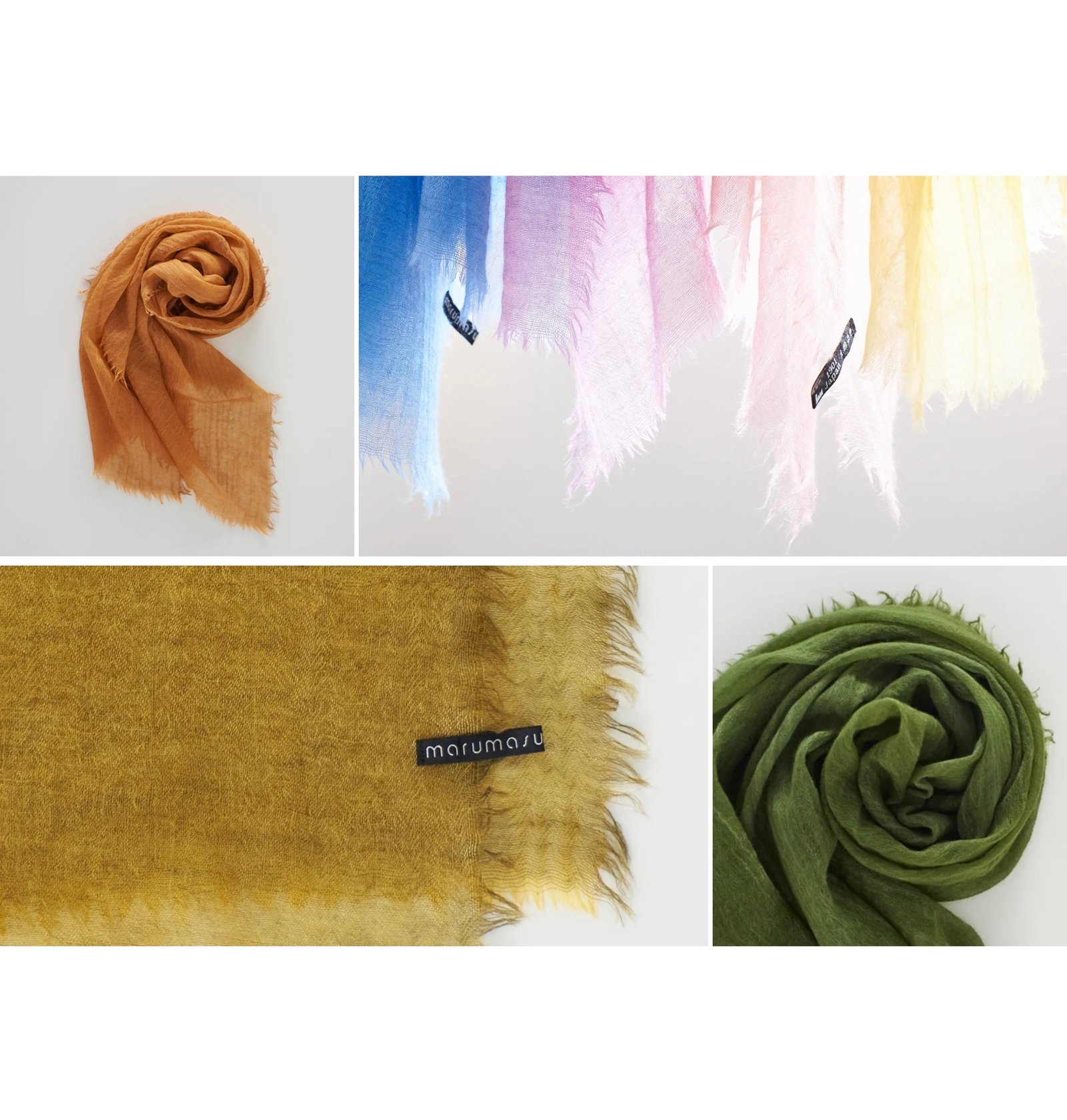
Marumasu comes from a Tokyo dyeing factory founded in 1901, which makes colour feel like part of the object rather than an afterthought. The light cashmere stole is only around 50 grams, with its fringe finished by hand, so it can be folded into a bag without becoming another heavy layer to carry. It is the kind of small textile that earns a place in an autumn wardrobe because it is useful before it is decorative.
What to Buy in Japan
Socks with a Local Material Story
Socks are easy to overlook, but they are often where a simple outfit becomes more personal. With cropped trousers or a skirt, even a small area of colour or texture can change how the whole combination sits with the shoe.
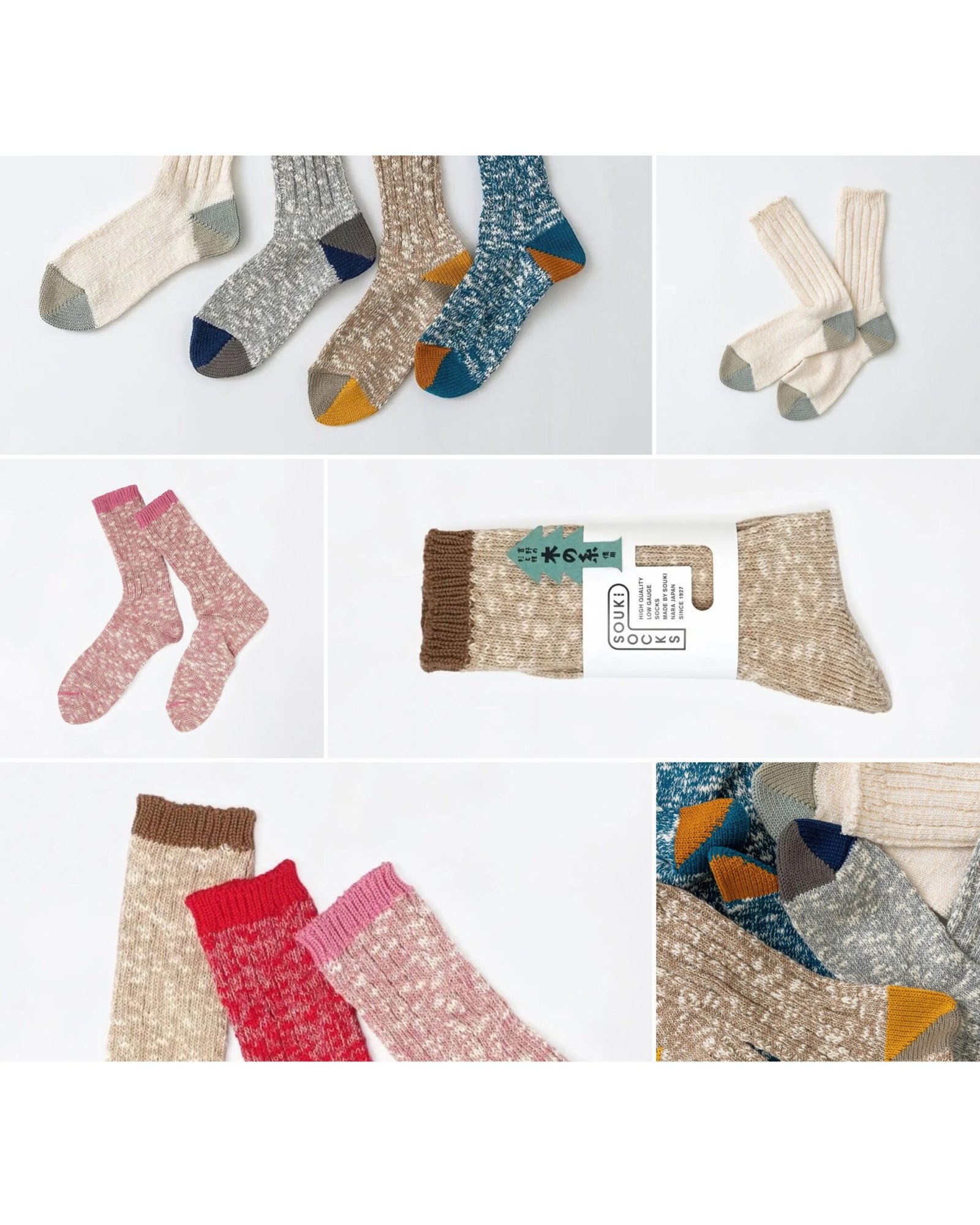
SOUKI makes its socks in Kōryō, Nara, a town with a long history of sock-making. The Yoshino Tree socks are especially beautiful because they combine recycled cotton with yarn made from Yoshino cedar and cypress. I like the thought that this small, useful object carries the materials of a particular region without asking to become a souvenir. They are simply good socks, with a story inside the fabric.
Japanese Magazines to Read
For a closer look at how a soft layer is made, I recommend Discover Japan’s feature on Shirata Cashmere in Kami, Miyagi. It follows one of Japan’s few remaining hand-flat-knit makers, where each piece is shaped, linked, washed, and finished with close attention to the behaviour of the yarn.
It is a good companion to this article because it shows that the feel of a soft layer begins long before it reaches a wardrobe: in the yarn, the machine, and the hands that finish it.
Read the article about Shirata Cashmere in Kami.
Closing
Living in Japan taught me to notice the work held inside ordinary things. In the care of a public place, the way a meal is prepared, or the patience of someone who makes the same object year after year, a task is not treated as too small to deserve pride.
That respect travels into what is made. It can be felt in the colour of a textile, the weight of a scarf, the yarn chosen for a sock, and the care given to something that will be used every day. These details matter because somebody decided that they mattered.
For me, Koromogae [衣替え], changing clothes for the season, is part of that same way of looking. The clothes may be familiar, but each autumn meets them differently. Taking them out again can be less about accepting colder weather than about recognising the season as it begins.
Mentioned in this story:
MUJI Germany – European Delivery
UK readers: £15 off your first MUJI UK order over £70 with code L6C513835Z, valid until January 1, 2027.
Germany and selected European destinations: 15% off your first MUJI Germany order over €60 with code QSNWBCO346FC, valid until January 1, 2027.
