
After a Tokyo summer, the first cooler days change the way I think about leaving the city. During the hottest months, even a short walk can become something to calculate around the heat and humidity. Then the first cooler morning arrives, and almost immediately I begin thinking about trains going somewhere greener.
Early autumn is particularly good for these small escapes. The mountains begin changing before the city does, and places such as Oze can already be moving towards gold while Tokyo still looks almost like summer. A train out of the city, several hours of walking, lunch packed that morning and perhaps the moon appearing before the journey home. It doesn’t need to become a major trip.
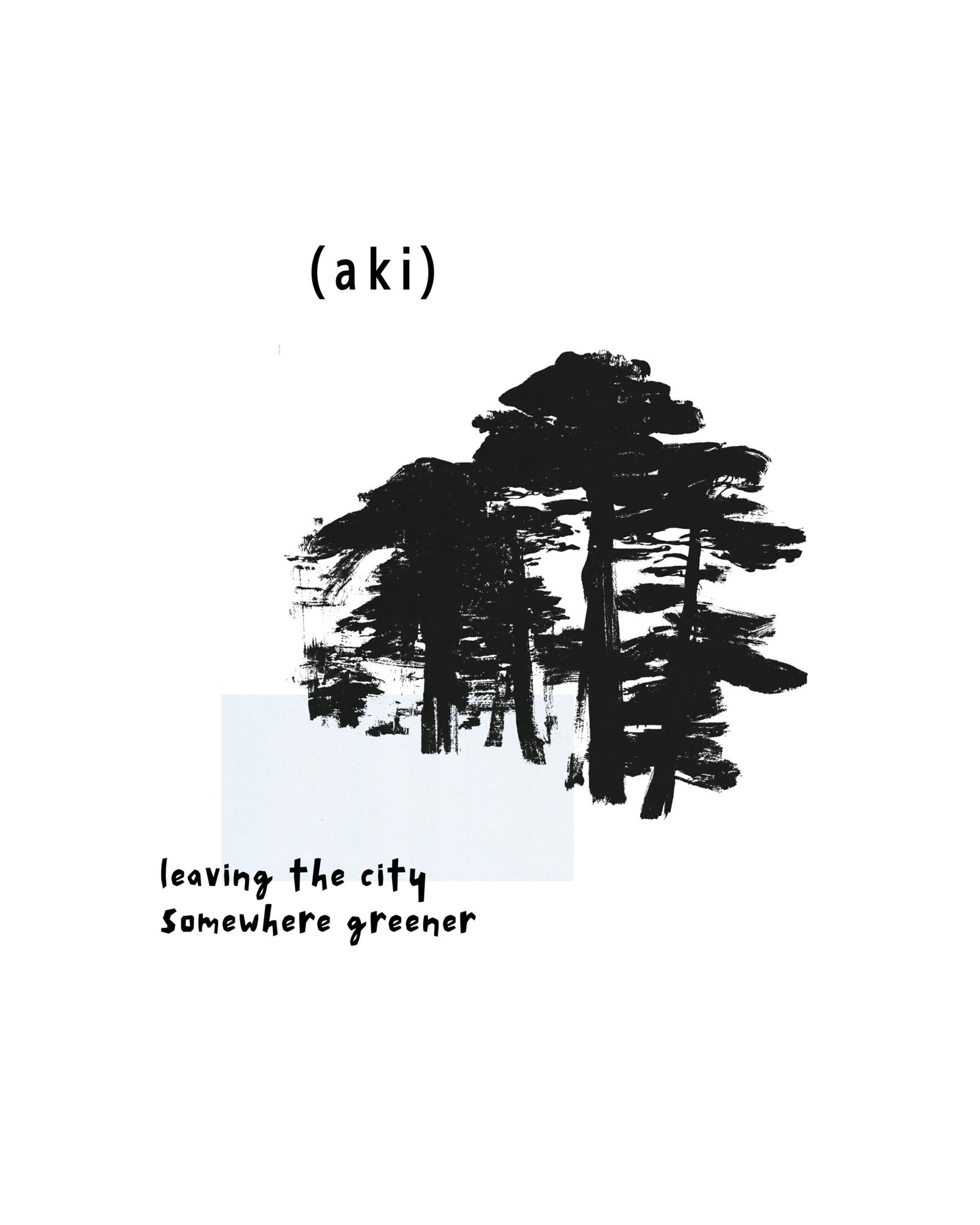
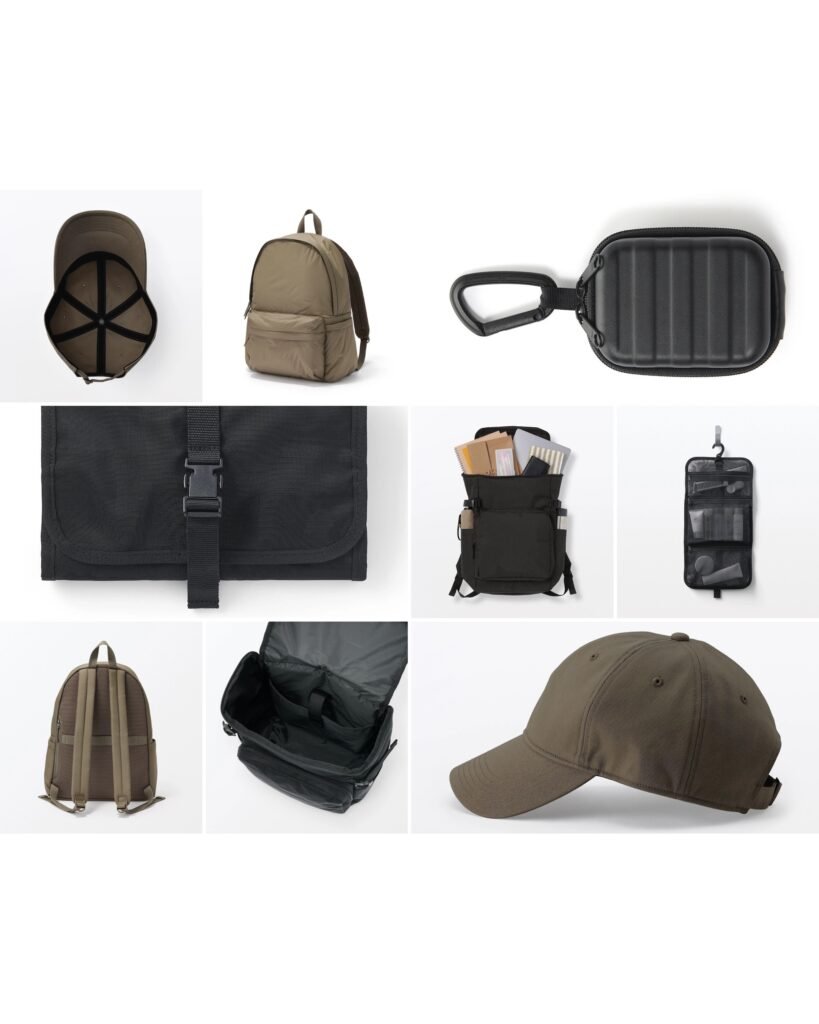
There is pleasure in preparing for the day too. A light backpack, a cap, a small wallet and the few things I want close at hand. MUJI does this particularly well. Its travel pieces are simple enough to move between an ordinary day in the city and a weekend away without making every excursion look like an expedition.
Dressing for early autumn
September is still warm in much of Japan, so I would rather dress for adjustment than for cold weather.
One piece I particularly like for this is a technical shirt from Snow Peak. It weighs almost nothing, folds down small enough to disappear into a backpack and works just as well as an individual piece as it does layered over a cotton T-shirt or long sleeve. That versatility is exactly what I want when the temperature can change considerably over the course of one day.
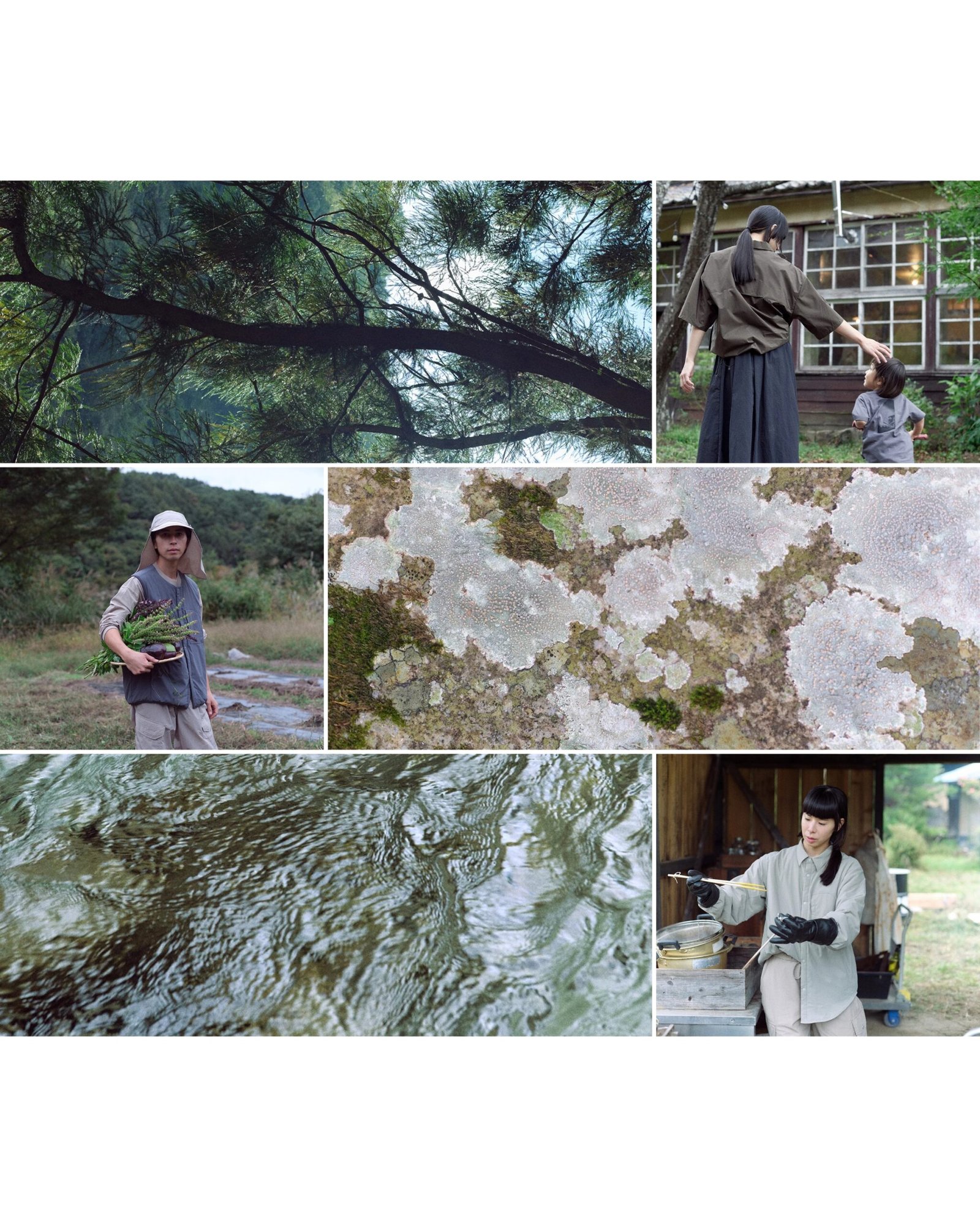
Elsewhere in the Snow Peak collection, I would also look for a bandana and one of their very light folding umbrellas. Neither takes much space, but both are useful often enough to deserve it. Japanese outdoor dressing is very good at these small adjustments. Arm covers are another familiar example, particularly UV-protective versions that can be put on or removed without changing an entire outfit.
The result is less about dressing like a hiker and more about being able to stay outside comfortably for longer.
Lunch in the bag
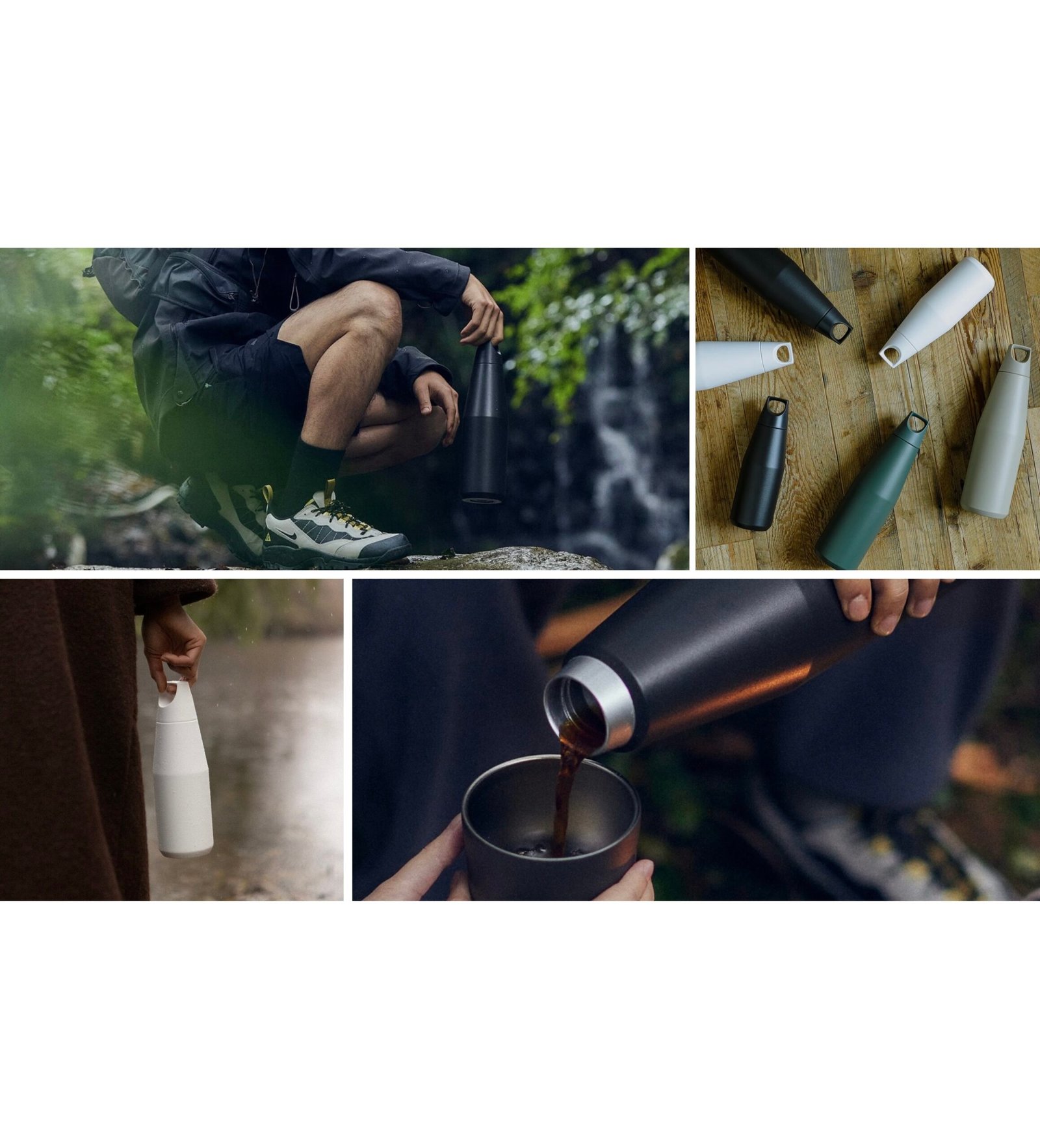
Before leaving, I would fill a KINTO tumbler and attach it somewhere easy to reach. I particularly like the smooth line of this one, the small loop at the top and the way the shape slips easily into a bag when there is room, but can also be clipped outside when every pocket has already found another purpose. The colour selection is beautiful too, from quiet neutrals to deeper shades that look particularly good with autumn clothes.
Lunch deserves the same simplicity.
MUJI’s oval aluminium bento is light enough to throw into a backpack without thinking much about it, and its rounded edges and smooth shape make it particularly pleasant for travelling. Add the slim stainless-steel cutlery case with its chopsticks and spoon and there is very little else to carry.
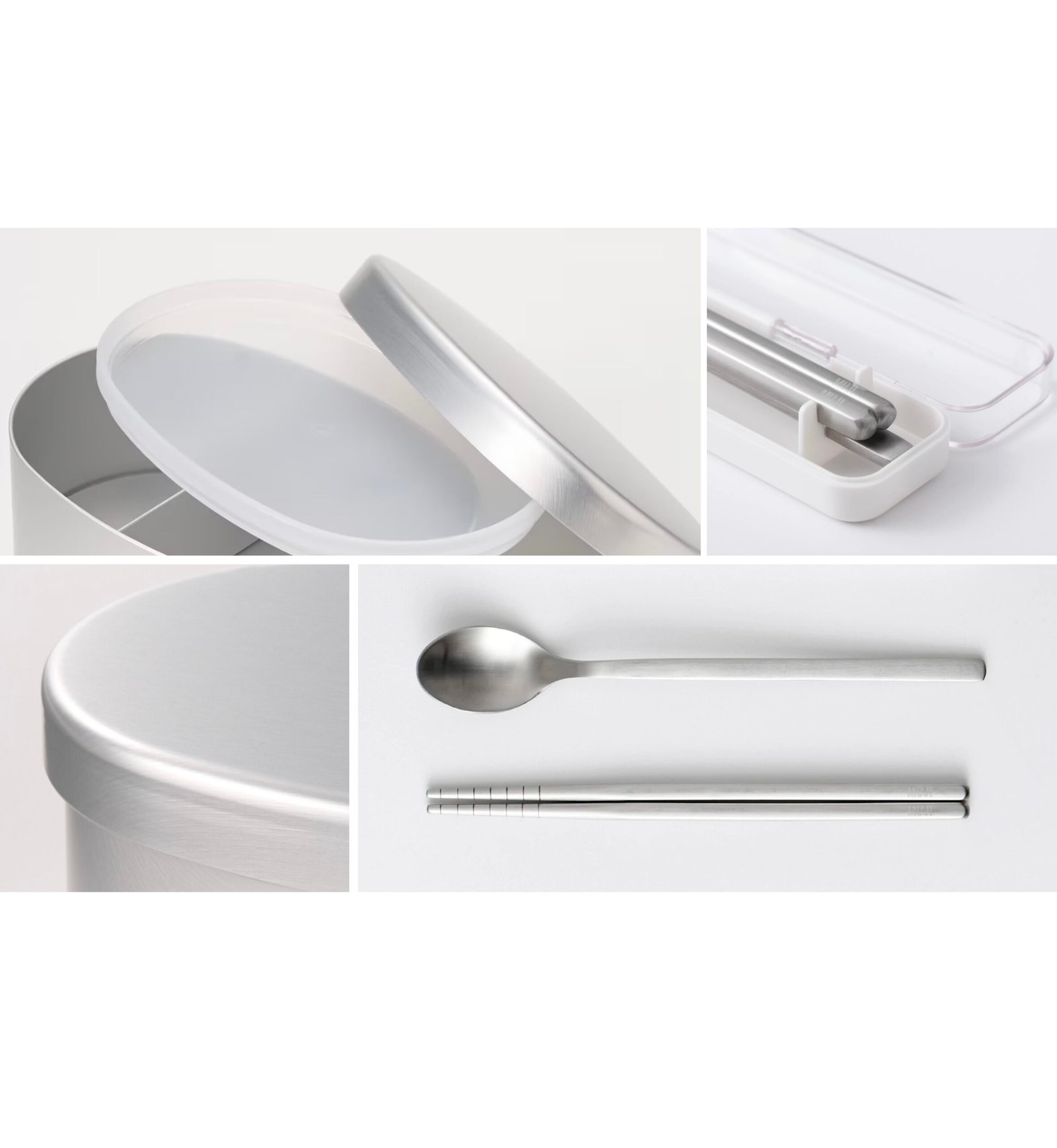
I like chopsticks especially for a packed lunch. They take almost no room and are remarkably versatile, whether the box contains onigiri, vegetables, tamagoyaki or something picked up on the way.
There is also something satisfying about these pieces together: aluminium, stainless steel, simple forms and almost no unnecessary detail. They are practical first, but they carry the familiar simplicity that makes MUJI objects so easy to combine with things from other makers.
A little farther from the city
By September and October, walking for several hours becomes enjoyable again. In Oze, wooden boardwalks cross the marshland as the grasses begin turning yellow and gold. Elsewhere, autumn starts at higher elevations and gradually makes its way towards the cities.
There is no need to wait for the famous red maple season. Early autumn has another landscape, still holding plenty of green, with the first colours appearing around it.
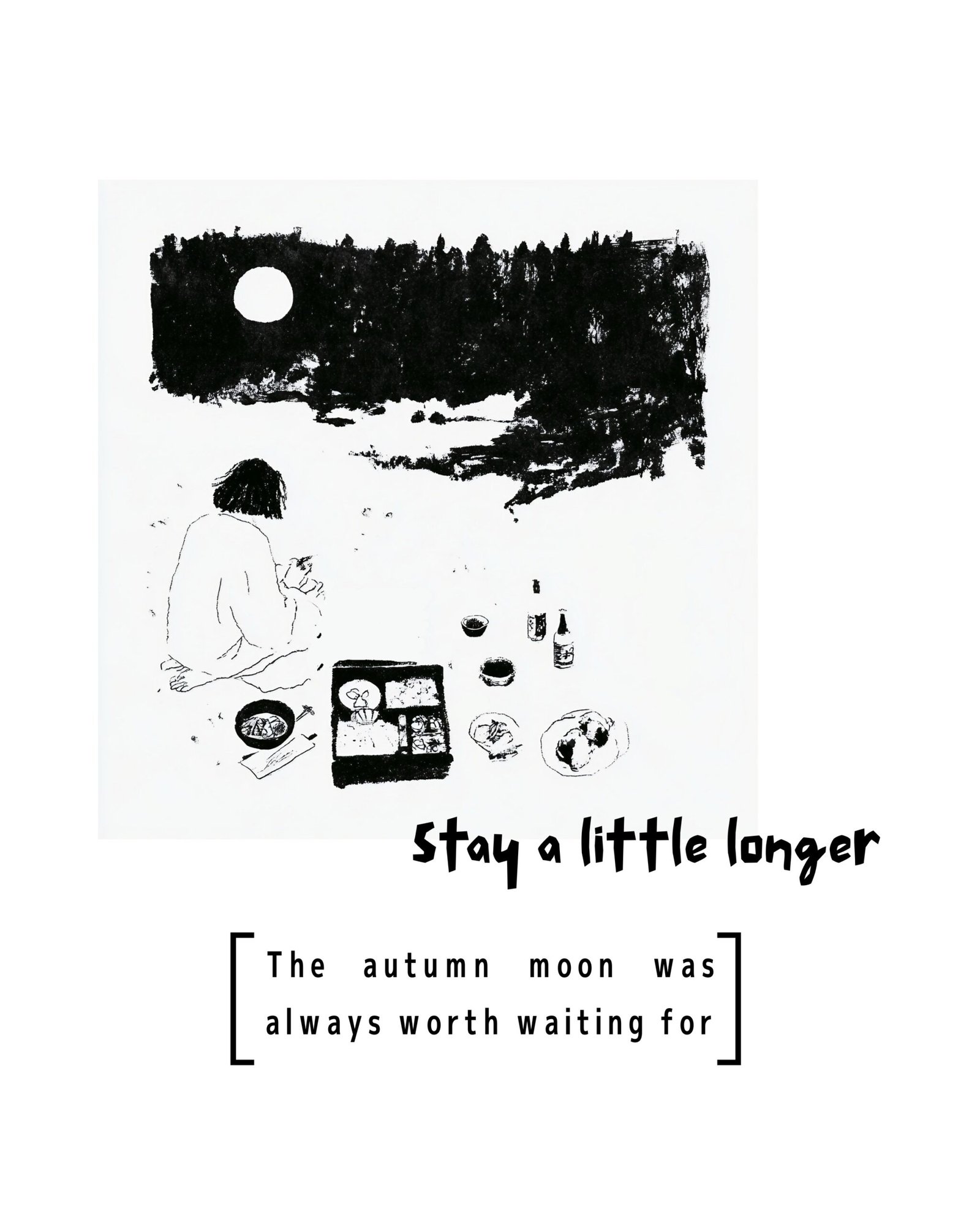
This is perhaps my favourite part of the day. Lunch has been eaten, the bottle is lighter and there is no particular reason to hurry back. A shirt that spent the warmer hours folded inside the backpack can be put on again. You can walk a little farther, sit somewhere for a while, or simply take the later train.
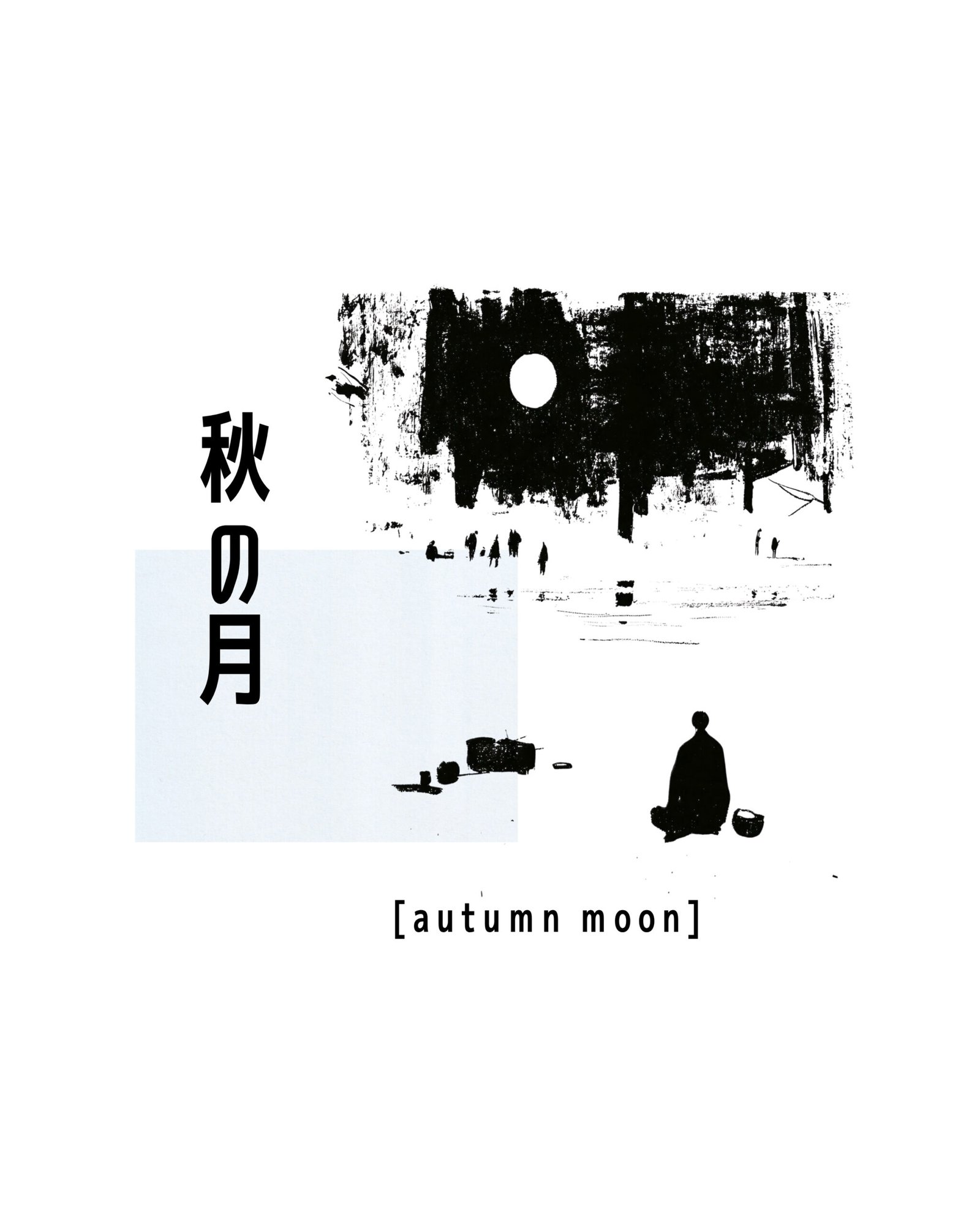
And this is where Tsukimi [月見], moon viewing, can enter without needing to become an occasion of its own.
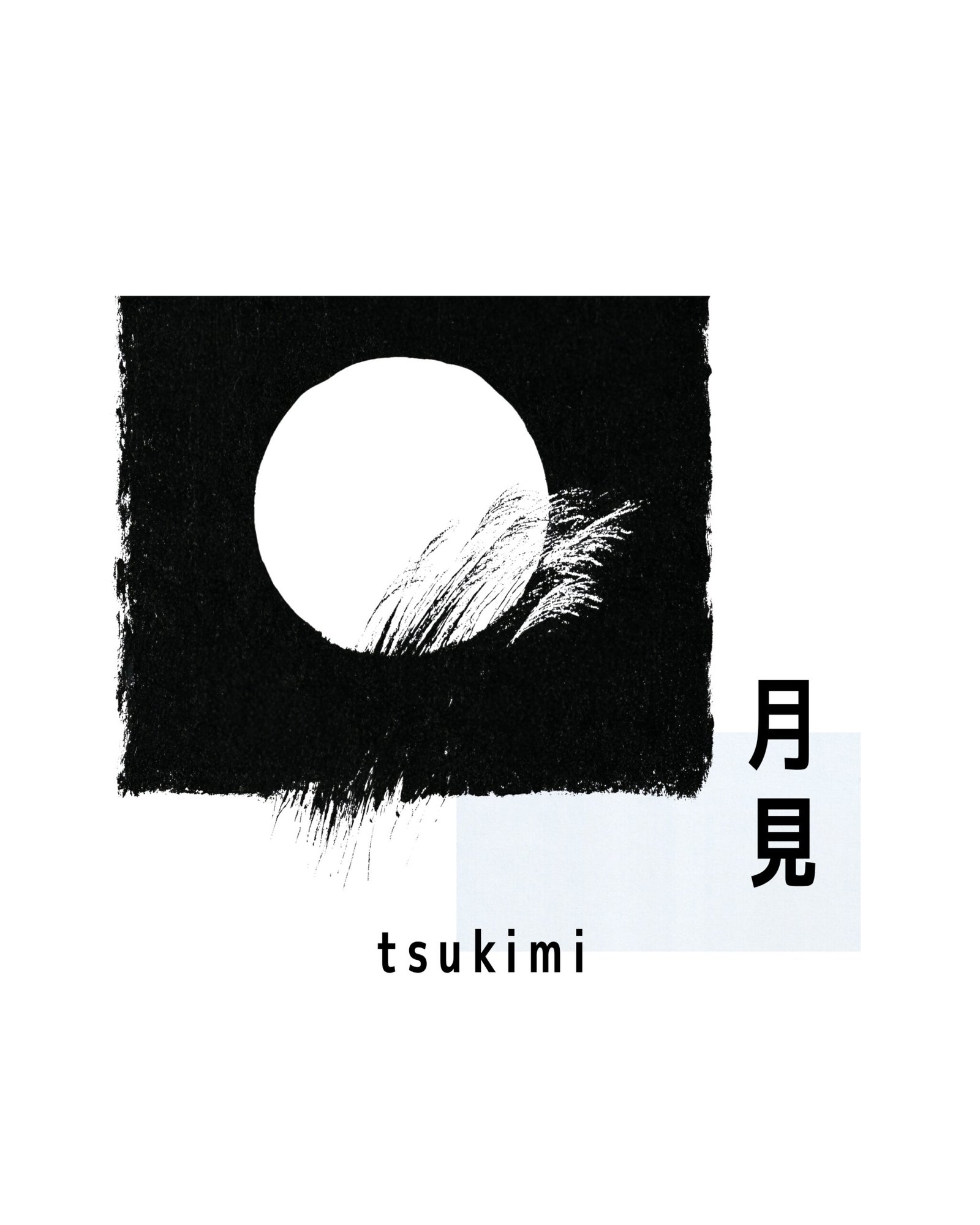
The Japanese custom has long been associated with the autumn moon, seasonal foods and the harvest. But on an ordinary September outing, the moon might simply appear while walking towards the station or through the window once the train is carrying you back towards Tokyo.
After spending most of the day looking at what is around you, noticing it seems quite natural.
What to Buy in Japan
MUJI’s aluminium bento is one of those objects worth knowing about before a trip to Japan. The oval aluminium lunch boxes have been part of MUJI’s Japanese world for years, yet they are not normally found in its European collection.
They are inexpensive, lightweight and made for ordinary use rather than display. The smooth oval construction travels particularly well, and there is very little about the design that needs changing from one season to another.
If you visit MUJI in Japan, this is one I would look for.
Japanese Magazines to Read
Japanese magazines have always been one of my favourite ways of discovering Japan. Beyond their physical editions, many now have excellent web magazines too, where selected stories can be read freely from anywhere.
For this early-autumn journey, I would begin with &Premium and a story from its recent Tabi to, Hon to. [旅と、本と。], Travel and Books issue. The journey takes us to Chino and Tateshina, at the foot of the Yatsugatake mountains, where books, landscape and local knowledge become ways of discovering a place. It feels particularly suited to this time of year, when leaving the city for somewhere greener becomes appealing again.
Read the &Premium journey through Chino and Tateshina.
For something closer to Tokyo, Hanako Web takes us to Akigawa Valley in western Tokyo. The journey follows the river by bicycle through a landscape that becomes especially beautiful in autumn, with local food and a bento eaten outdoors along the way. It is a lovely example of how a day in nature can remain part of ordinary city life rather than becoming a serious mountain expedition.
Read Hanako’s journey through Akigawa Valley.
Both &Premium and Hanako publish much more online, while their complete magazines remain available in print in Japan and many editions can also be purchased digitally. For readers outside Japan, their web magazines are a particularly wonderful place to begin. They open a window onto the places, food, people and ideas Japanese editors are choosing to explore themselves.
Mentioned in this story:
MUJI Germany – European Delivery
Oze National Park Official Site
UK readers: £15 off your first MUJI UK order over £70 with code L6C513835Z, valid until January 1, 2027.
Germany and selected European destinations: 15% off your first MUJI Germany order over €60 with code QSNWBCO346FC, valid until January 1, 2027.
Explore more practical pieces in my MUJI Travel Picks on Pinterest.
