
Seasonal cooking, a home lunch in Kichijoji and the thoughtful simplicity of the Japanese table
During Japan’s hot and humid summer, meals often become lighter and easier to prepare. By early autumn, cooking begins to feel inviting again. Markets fill with new rice, mushrooms, root vegetables, persimmons, grapes and fish associated with the season.
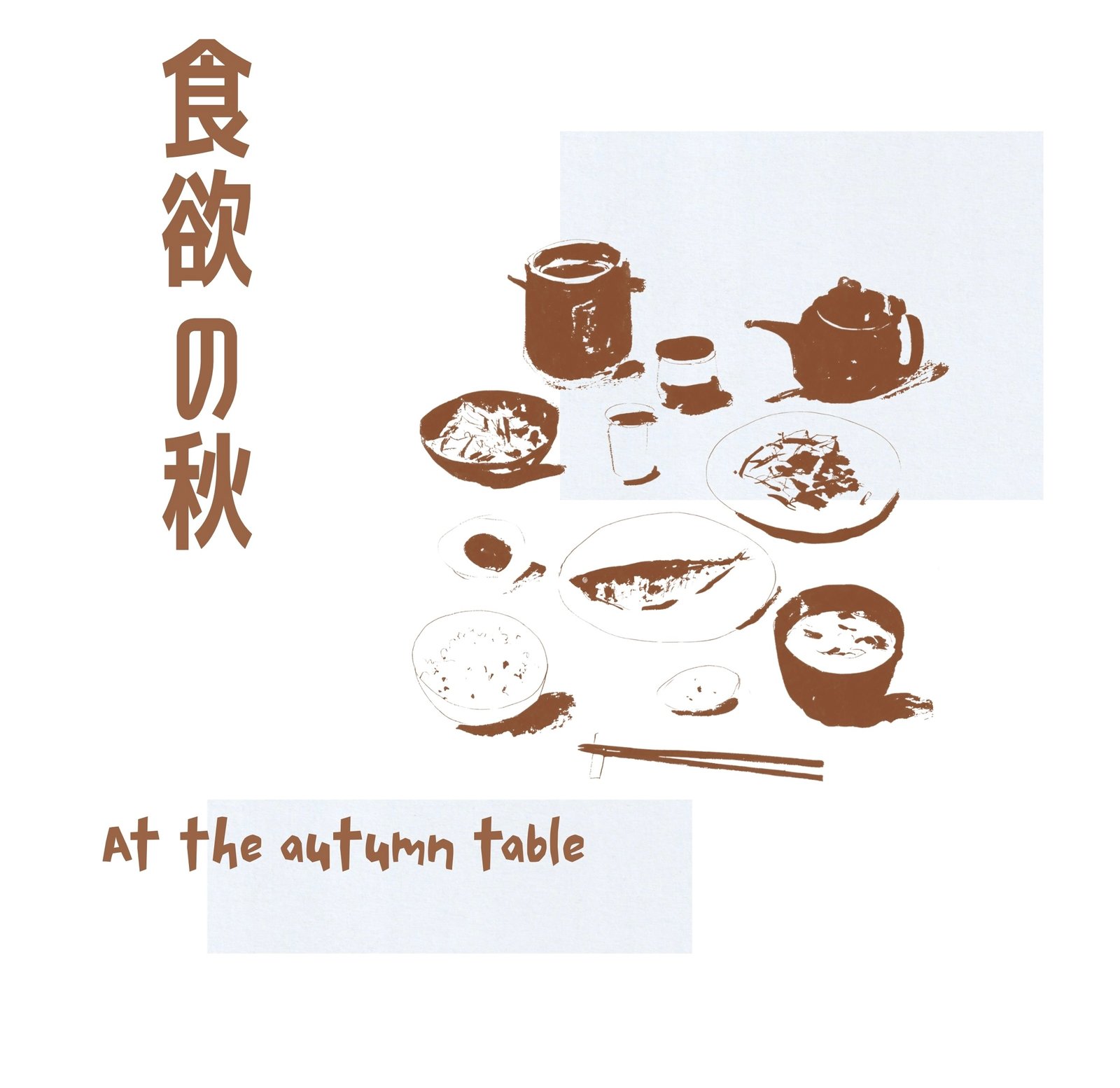
This renewed interest in food has its own familiar expression: Shokuyoku no Aki [食欲の秋], the autumn of appetite.
The phrase describes more than feeling hungry. Autumn brings ingredients that are anticipated each year and enjoyed during their relatively short season. Their arrival gives people a reason to cook differently and pay closer attention to what is on the table.
A lunch in Kichijoji
A few years ago, a friend invited me to lunch at her home in Kichijoji, Tokyo. She is a catering chef, and at the time she was developing the work that would grow into her own food business. I believe I was among her earliest customers.
Today, she prepares food for events and sells some of her cooking through an online shop. Her work is grounded in Japanese culinary traditions, respect for ingredients and a healthy approach to everyday eating.
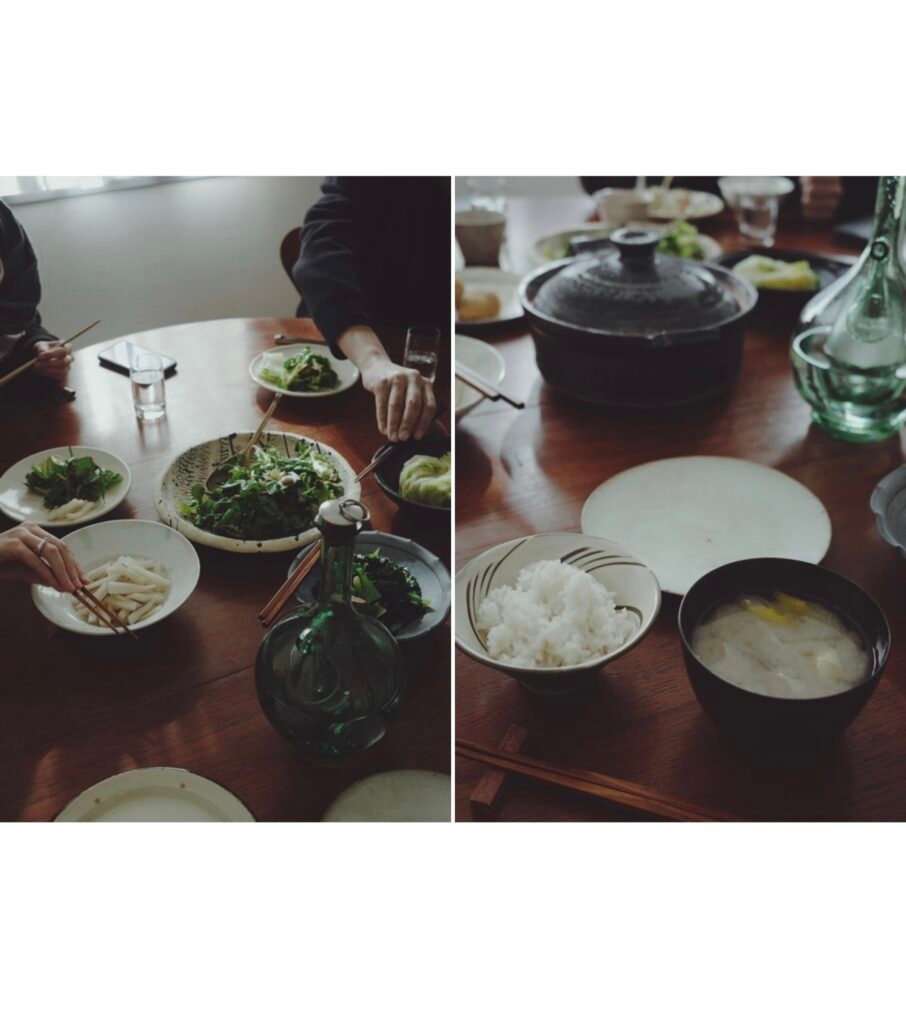
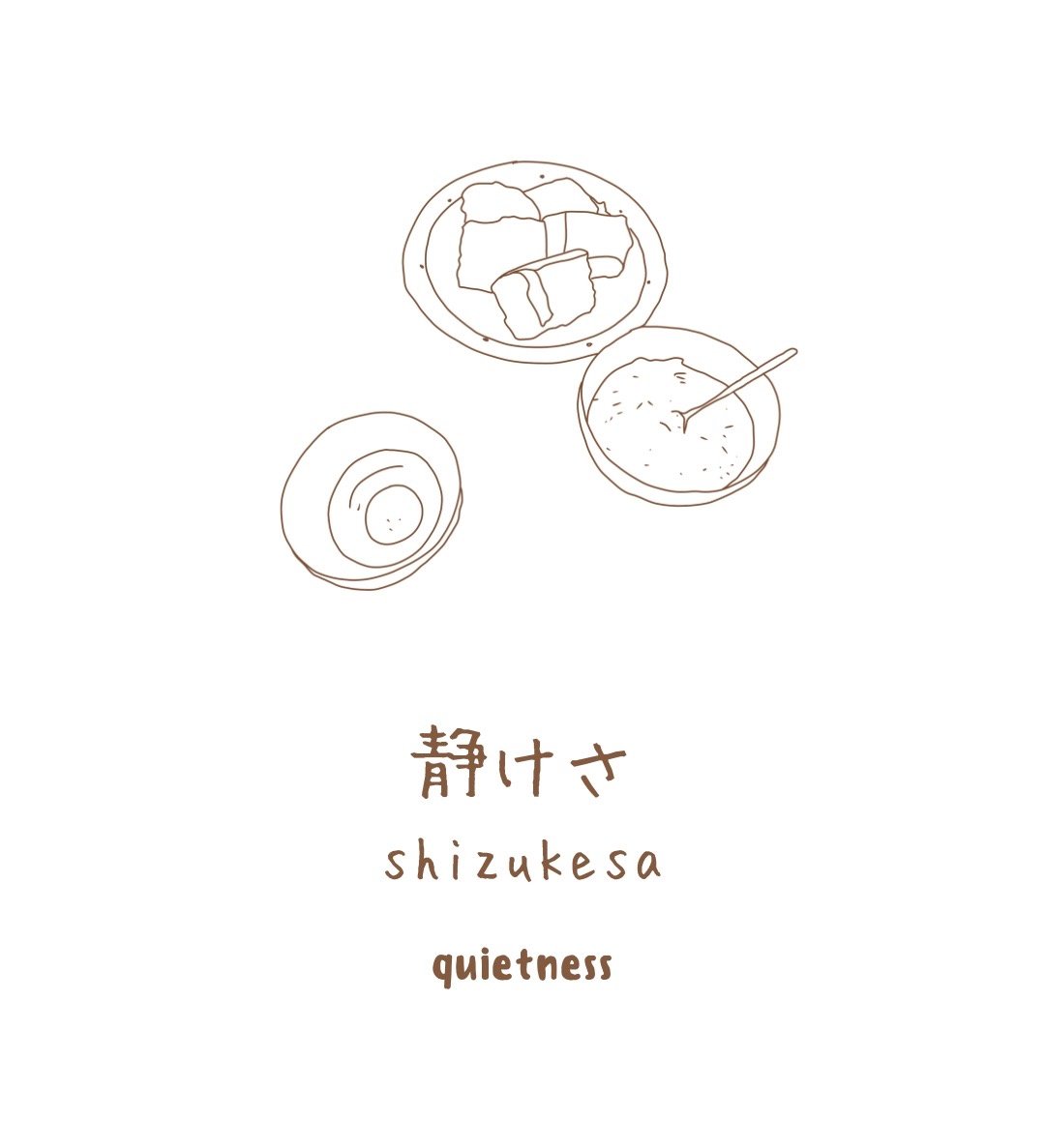
The lunch she made was generous without being elaborate. There was rice cooked in a ceramic pot, fish katsu, fresh greens and a seasonal salad. Knowing that I could not eat soy, she had also prepared a barley-based soup for me in place of the usual miso soup.
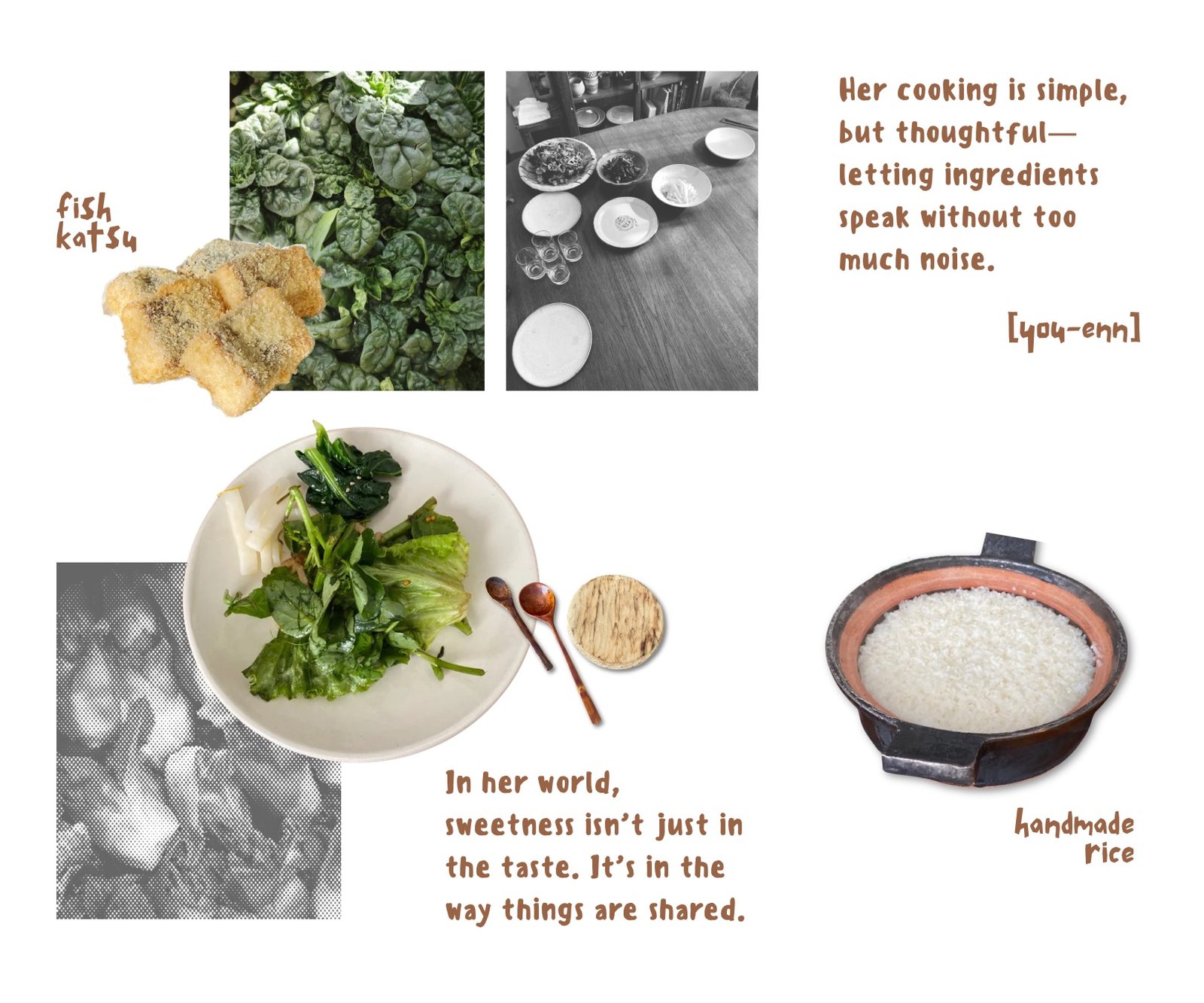
The dishes were placed in the centre of the table and shared, while rice and soup formed the foundation of the meal. Nothing appeared excessively arranged, but nothing felt accidental. The ingredients, vessels and portions had all been chosen with care.
Cooking with the season
Seasonal cooking remains one of the foundations of Japanese food culture. Autumn introduces an especially rich group of ingredients, including newly harvested rice, mushrooms, sweet potatoes, chestnuts, lotus root, squash and leafy vegetables.
Japanese home meals often allow these ingredients to remain recognizable. Vegetables may be lightly dressed or served as small side dishes. Soup provides warmth and continuity. Fish may be grilled, simmered or fried, as it was at the Kichijoji lunch.
This way of cooking gives structure to the year. An ingredient available for only a short period is noticed differently from one that can be bought at any time. Its return is familiar, but never entirely routine.
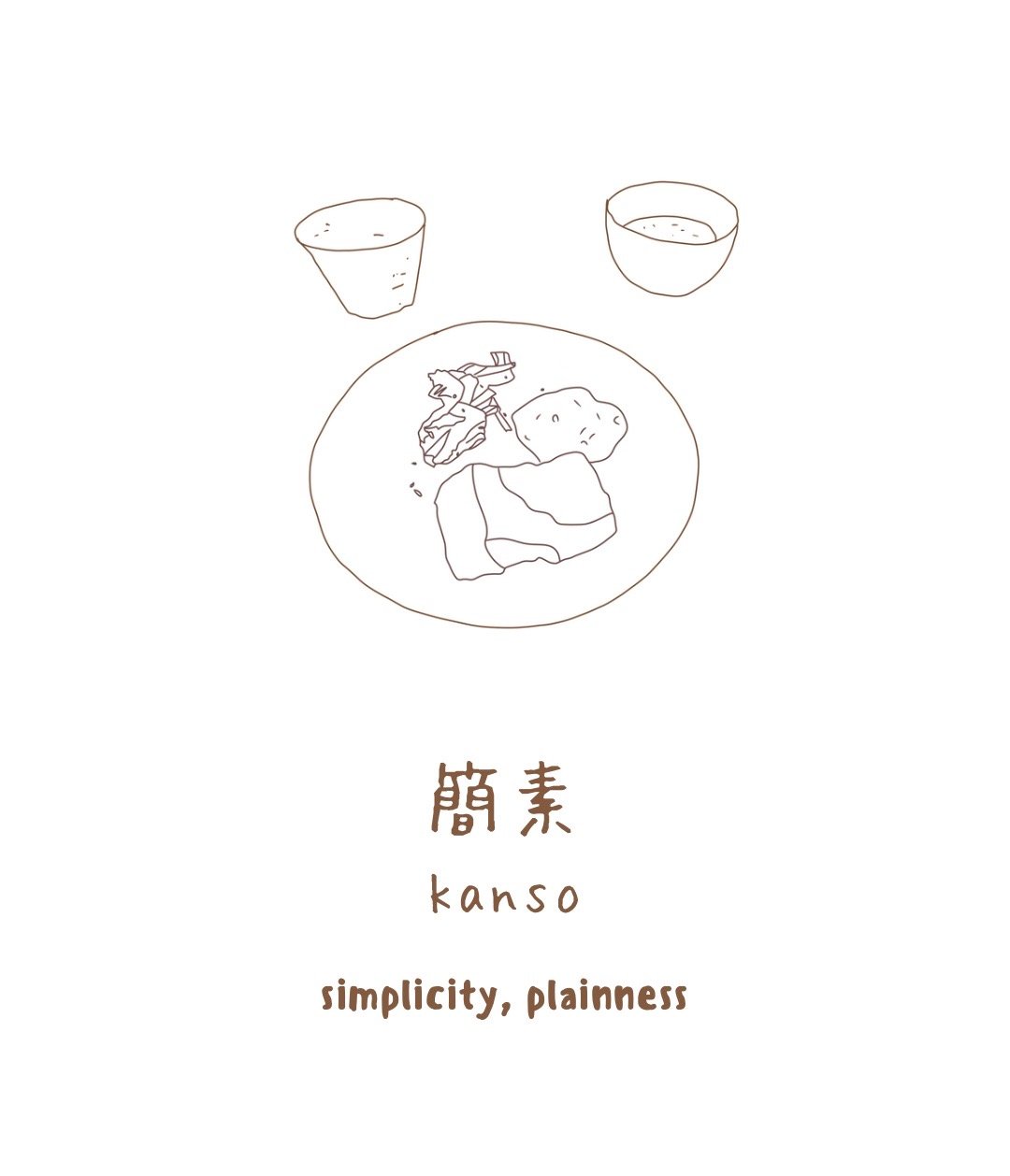
The food may look simple, yet that simplicity depends on choosing ingredients at the right moment and understanding how much preparation they need.
The season of new rice
Shinmai [新米], newly harvested rice, begins to appear from late summer into autumn, depending on its region and variety. It contains more moisture than rice stored for a longer period and is appreciated for its fragrance, texture and gentle sweetness.
At the Kichijoji lunch, the rice was cooked in a ceramic pot. This method makes the process visible. The rice is washed, measured, soaked and cooked with an awareness of heat and timing. When the lid is lifted, its fragrance reaches the table before the rice is served.
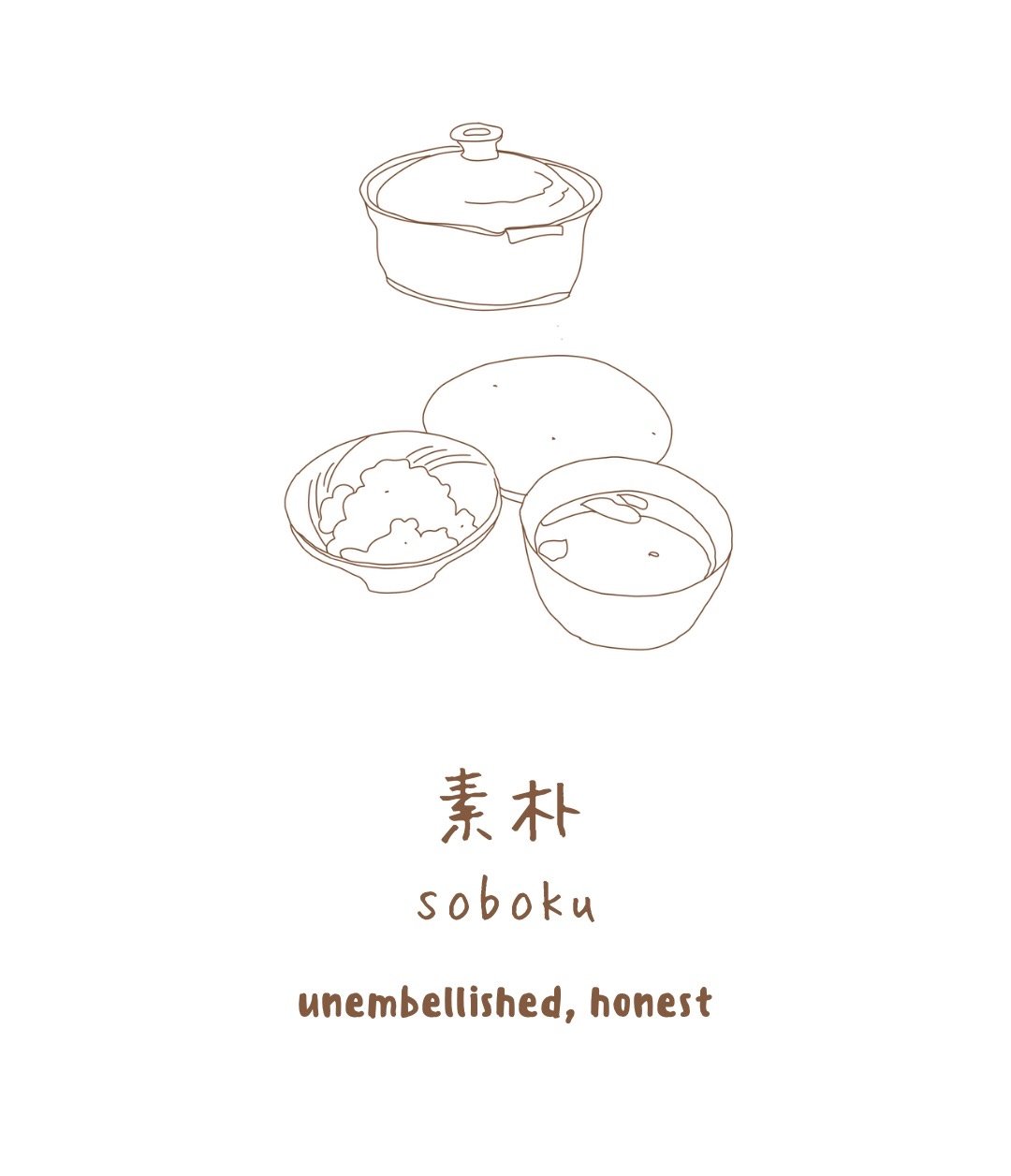
For anyone living outside Japan, recreating this experience can be difficult. Japanese rice varieties and cookware designed for preparing them are not always readily available. A ceramic rice pot offers one direct way to understand why the preparation of rice receives so much attention.
Objects for a Japanese home meal
MUJI’s kitchen collection follows the complete movement of a home meal, from preparation and storage to serving and cleaning.
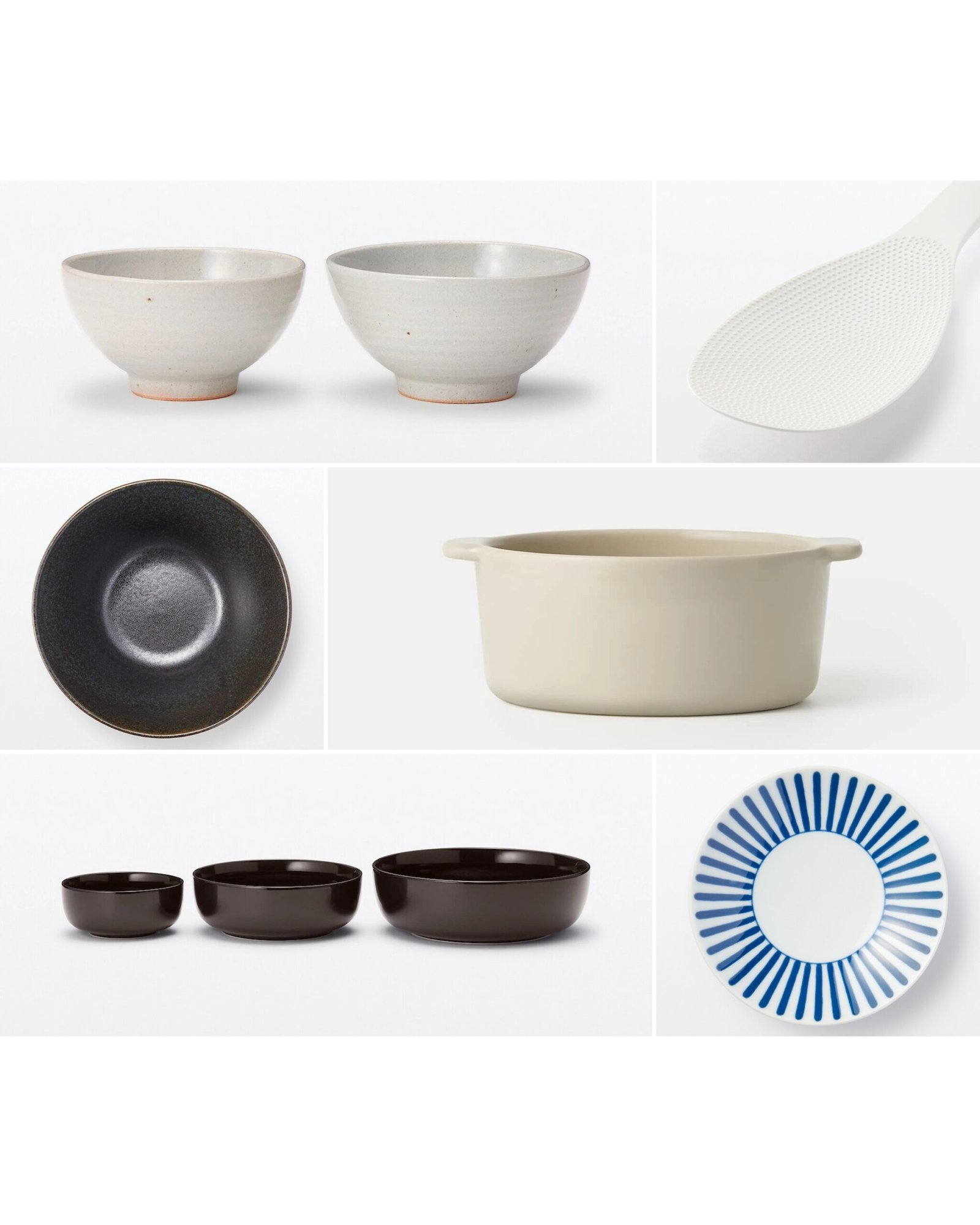
A ceramic rice pot would be the natural starting point. Rice bowls, soup bowls and small plates establish the structure of the table, while chopsticks, trays, storage containers and cotton cloths support the work around it.
These objects do not need to match perfectly. Japanese tables often bring together ceramics, wood, glass, metal and cloth. What connects them is their scale and purpose. A small bowl allows one ingredient to be served separately, while a tray gives several simple dishes a sense of order.
What to Buy in Japan
Among these restrained objects, a chopstick rest can carry a surprising amount of character. It marks the table as prepared and is often collected individually rather than purchased as part of a uniform dinner service.
FUTAGAMI’s Mitsutsuki set contains three interpretations of the moon, cast in solid brass in Takaoka, Toyama. The textured surface retains evidence of the sand-casting process, while the metal gradually darkens through handling. FUTAGAMI describes this change as maturation.
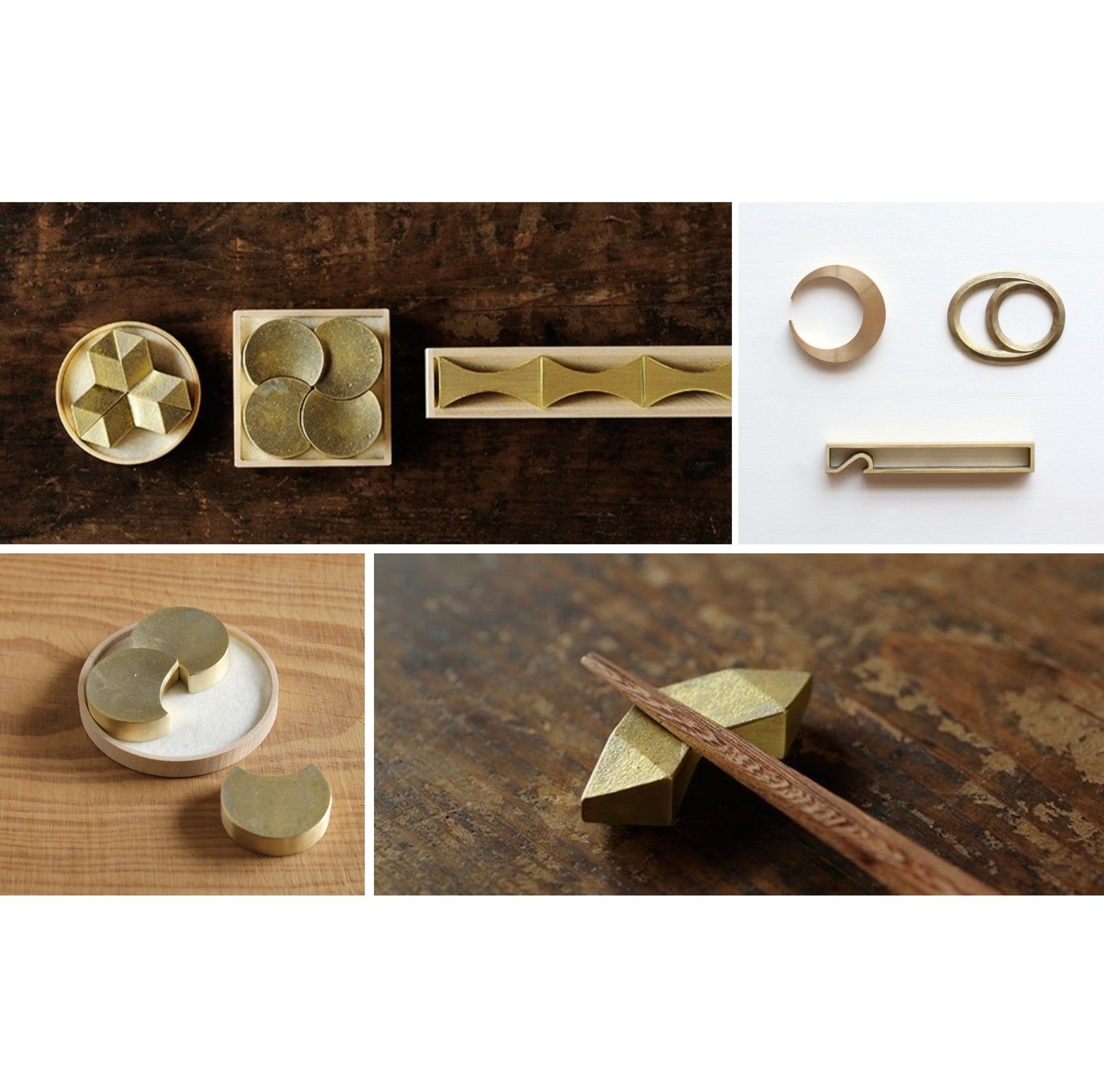
The moon forms also create a quiet connection with tsukimi 月見, moon viewing. Available through FUTAGAMI’s official shop only within Japan, they are a small and distinctive object to seek while travelling there.
Japanese Magazines to Read
The September 2026 issue of NHK Kyō no Ryōri [きょうの料理], meaning “Today’s Cooking,” follows the transition from late summer into autumn through everyday Japanese food.
Read this issue as a Kindle edition from Amazon Japan.
Its recipes include sweet potatoes, autumn vegetables and mushrooms, sardines and warming soups. There is also a section on cooking after the exhaustion of summer, when appetite begins to return and meals become more substantial again. These are practical recipes rather than formal seasonal cuisine, showing how autumn ingredients enter the ordinary home kitchen.
For readers outside Japan, the digital edition avoids international postage and can be explored with modern translation tools.
Returning to the table
The Kichijoji lunch showed how much can be expressed through an ordinary home meal. Seasonal vegetables were prepared while fresh, rice received the attention it deserved, and the soup was adapted thoughtfully for a guest. Each dish and object had a purpose, although the table never felt formal.
This is one of the pleasures contained within shokuyoku no aki. Autumn renews our interest in choosing ingredients, cooking for other people and sitting down together.
A bowl of newly harvested rice, vegetables prepared at their best and a few carefully chosen objects are enough to make the arrival of the season visible at the table.
Mentioned in the story:
MUJI Germany – European Delivery
UK readers: £15 off your first MUJI UK order over £70 with code L6C513835Z, valid until January 1, 2027.
European destinations: 15% off your first MUJI EU order over €60 with code QSNWBCO346FC, valid until January 1, 2027.
